Answer Engine Optimization: Why the Rules of Search Just Changed for Good
You ranked number one. You earned the top spot. And nobody clicked.
That’s not a glitch. That’s the new normal. A machine now reads your page, sums it up, and hands the answer straight to the searcher. They never visit your site. You did everything right, and you still lost the traffic.
This is why answer engine optimization exists. And this is why ignoring it will quietly bleed your business dry.
Let me show you exactly what’s happening. Then let me show you why the fix is simpler than you fear.
Table of Contents
You’ve Heard “The Next Big Thing” Before. This Isn’t That.
I know what you’re thinking. Another buzzword. Another acronym. Another consultant selling smoke.
You’ve survived Panda. You’ve survived Penguin. You’ve been promised “the death of SEO” a dozen times. It never died. You’re right to be tired.
So let’s skip the hype. Let’s look at what actually moved.
The thing that changed isn’t a Google update. It’s the interface itself. The box where answers appear is no longer a list of links. It’s a paragraph. And that paragraph is written by an AI.
That’s not a trend. That’s a new front door to the entire web.
What Actually Changed (And Why It Matters to You)
For 20 years, search worked one way. You typed a question. You got ten blue links. You picked one and clicked.
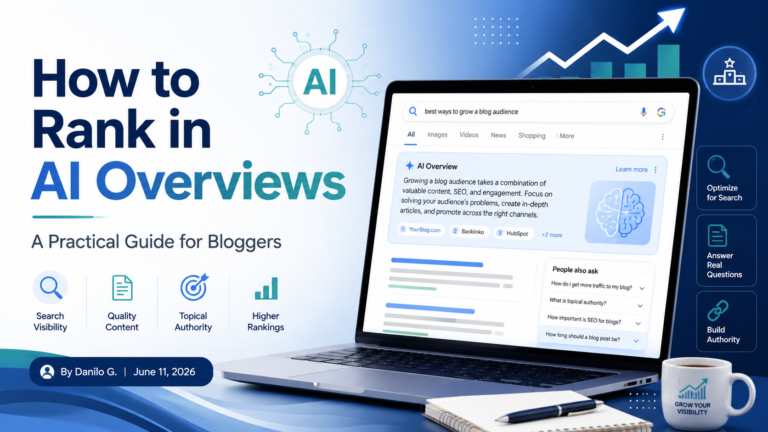
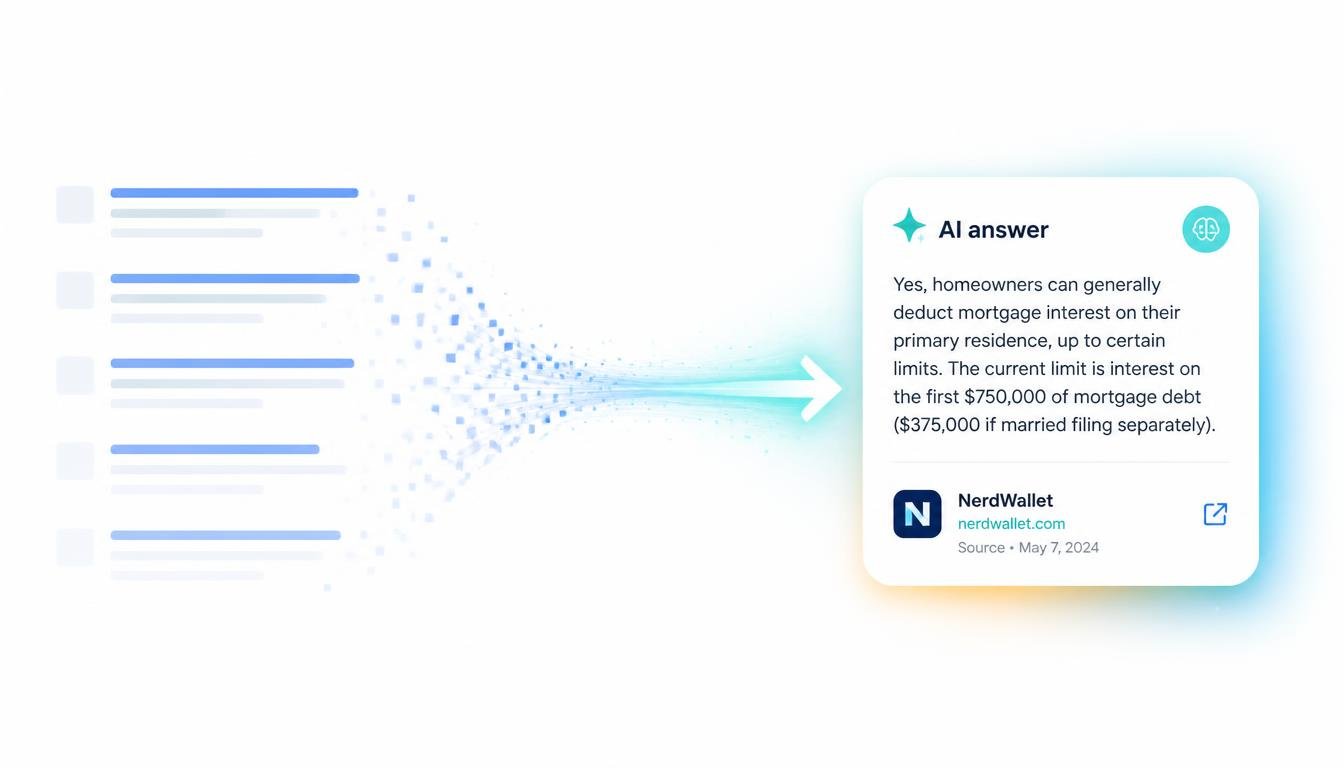
Now you type a question and get a written answer at the top. Google calls its version AI Overviews. ChatGPT and Perplexity do the same thing in their own apps.
The answer often solves the problem on the spot. So the click never happens.
Here’s the part that should stop you cold. Your content might be inside that answer. The AI may have used your words, your data, your work. But if it doesn’t name you, you get nothing. No visit. No credit. No sale.
That’s the whole game now. The old prize was a click. The new prize is a citation.
Answer engine optimization is the practice of winning that citation.
The Numbers Nobody Can Wave Away
I don’t want you to take my word for it. I want you to look at the data. It comes from research firms, not marketing brochures.
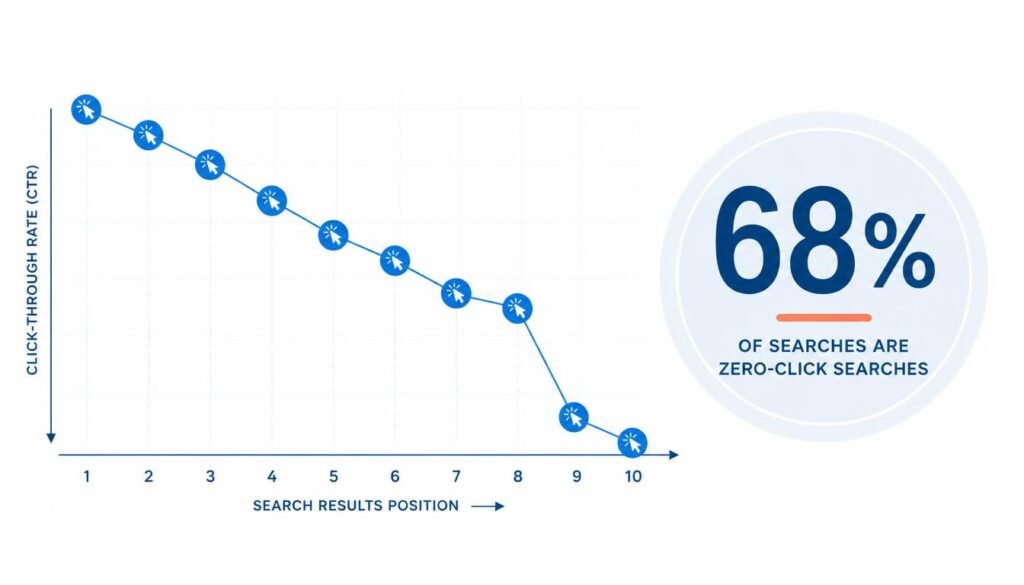
Start with zero-click searches. These are searches that end without anyone clicking a website.
- SparkToro’s 2026 study found that roughly 68% of US Google searches now end with no click at all.
- Similarweb tracked zero-click searches climbing from 56% to 69% in a single year, lining up with the AI Overview rollout.
More than two-thirds of searches. Gone before they reach you.
Now look at what happens when an AI answer appears. Pew Research tracked real searches. When an AI Overview showed up, people clicked a link only 8% of the time. Without it, they clicked 15% of the time. That’s nearly half your clicks, erased.
Ahrefs measured the same wound from another angle. The top-ranking page saw its click-through rate fall by 58% when an AI Overview was present.
Read that again. The number one spot. Down by more than half.
This is the reality your current SEO strategy is walking into. You can rank perfectly and still watch your traffic drain away.
“But AI Traffic Is Tiny” — The One Objection That Falls Apart
Here’s the smartest pushback, and I respect it. A skeptic pulls up Cloudflare’s data and says: all AI chatbots combined send less than half a percent of search referrals. Google still sends 87%. So why panic?
Fair question. Here’s why that number lies to you.
First, the referral click was never the point. The zero-click answer is the point. When a searcher reads your brand inside an AI answer and doesn’t click, that visit shows up in nobody’s referral log. It still shapes what they buy.
Second, AI traffic gets stripped of its source. When someone copies a link from ChatGPT into a new tab, the referrer vanishes. That traffic gets filed under “direct.” One analysis showed the true AI footprint is far bigger than the logs admit.
Third, the trend line is brutal for the skeptic. SE Ranking found AI referral traffic grew 16 times over from 2024 to 2026. ChatGPT’s e-commerce referrals grew over 210% year over year. That’s not a niche. That’s a curve bending upward fast.
Fourth, and this is the kicker: the traffic converts better. Visibility Labs data showed shoppers from ChatGPT converted 31% higher than regular organic visitors. Why? Because the AI already answered their questions. They arrive ready to buy — and there’s plenty you can do to lift your conversion rate once they land.
One retailer, Hat Club, saw just 1 in 50 visitors come from AI. That tiny slice drove a 20x jump in AI-driven sales.
So the “it’s tiny” argument quietly collapses. The clicks are undercounted, growing fast, and worth more when they land.
This Doesn’t Kill Your SEO. It Builds On Top of It.
Now breathe. Here’s the good news you didn’t expect.
You don’t have to throw away your work. Answer engine optimization stands on the same SEO foundation you already built.
Look at how these AI answers pick their sources. seoClarity found that 94% of AI Overviews cite a page from the top 20 organic results. So ranking still matters. It’s the ticket to even be considered.
But ranking is no longer the finish line. It’s the entry fee.
The old goal was: be one of ten links. The new goal is: be the one source the machine trusts enough to quote. Answer engine optimization is how you cross that final gap.
Think of it this way. SEO gets you into the room. Answer engine optimization gets you picked from the crowd in that room.
What Answer Engine Optimization Actually Looks Like
This is where doubt turns into action. None of this is mystical. Most of it is just good, clear writing done on purpose.
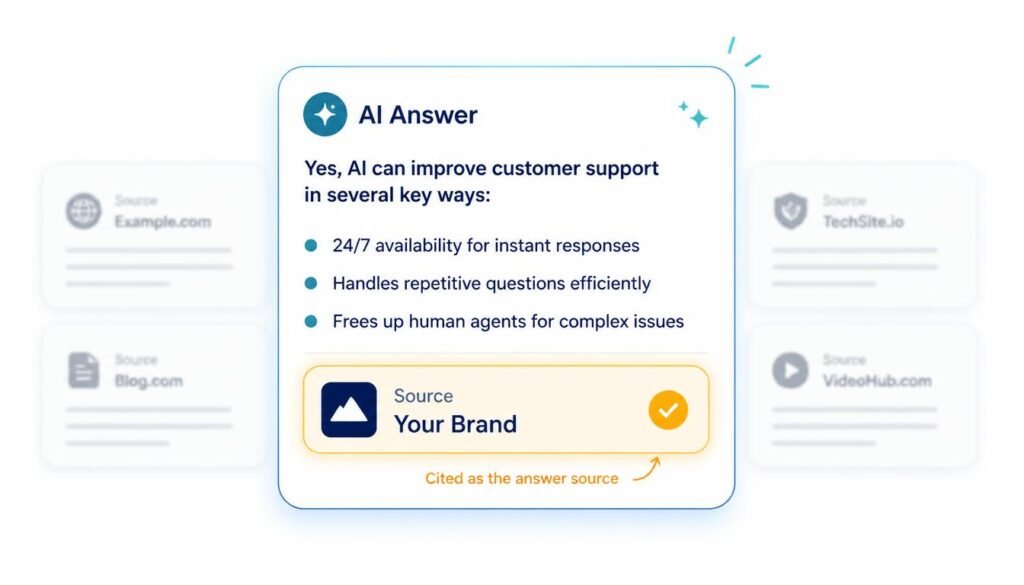
Here’s what moves the needle:
- Answer the exact question, up top. State the answer in one or two plain sentences. Then explain. AI engines grab clean, direct answers first.
- Write like a human explaining to a friend. Short sentences. Simple words. Machines parse clear content more easily than clever content.
- Lead with facts and numbers. Original data, real stats, and specific claims get cited. Vague fluff gets skipped.
- Structure everything. Use clear headings. Use lists. Use question-shaped subheads. Make your page easy to slice.
- Show up where the engines look. These models pull heavily from trusted spots like Reddit, YouTube, and authority sites. Get mentioned there, not just on your own page.
- Keep your pages readable by machines. Fast, crawlable, server-rendered pages get read. Bloated ones get ignored.
Notice something? This isn’t dark magic. It’s clarity, evidence, and structure. The brands that already write clear, useful content are halfway there.
And here’s the reward. Multiple studies found that cited brands earn more clicks, not fewer. When the AI names you as the source, curious readers click through to learn more. You become the trusted answer, not just a link.
Prefer to Watch? Here’s AEO in Action
If you’d rather see the whole thing walked through, this beginner tutorial breaks down answer engine optimization step by step.
The Window Is Open Right Now — And It Won’t Stay Open
Let me be blunt about timing.
Most of your competitors are frozen. They’re staring at that 0.29% referral stat and telling themselves nothing changed. They’re optimizing for a search page that’s disappearing under their feet.
That’s your opening.
Right now, few brands are deliberately writing for answer engines. The citations are up for grabs. The AI models are still forming their picture of who the authorities are in your space. Whoever teaches them first, wins.
This is exactly like early SEO in the 2000s. The people who moved early owned their categories for years. The ones who waited paid ten times more to catch up.
The engines are choosing their trusted sources this year. Not next year. This year.
You can be one of those sources. Or you can watch a competitor become the answer to every question your customers ask.
The Bottom Line
Search didn’t die. It changed shape. The click became a citation, and the interface became a machine that answers before anyone scrolls.
The data is not ambiguous. Two-thirds of searches end without a click. Top rankings lose half their traffic to AI answers. And the brands that get cited earn more trust, better traffic, and higher conversions.
Answer engine optimization is not a rebrand of SEO. It’s the next layer built on it. And the window to claim your spot is open today, while your competitors hesitate.
So here’s what to do right now. Pick your five most important pages. Rewrite the top of each one to answer its core question in two clear sentences. Add your best data. Make it the cleanest answer on the internet.
Do that this week. Become the answer before someone else does.