
Website Flipping: How It Actually Works (No Hype)
Website flipping has a reputation problem, and most of it is earned. You’ve heard the pitch: some guy with a rented Lamborghini says he made six figures flipping websites in his sleep. Your gut says scam. Your gut is mostly right. But here’s the uncomfortable part — that scammy marketing is hiding a real business. And that business has run quietly and profitably for over two decades. Let me show you the version nobody’s selling you.
Table of Contents
First, Let’s Kill the Website Flipping Fantasy
I’m not going to insult you, so let’s clear the fake stuff out first.
Website flipping is not passive. It is not fast. It will not make you rich by Friday. Anyone who tells you otherwise is selling a course, not a business.
Now that the liars have left the room, we can talk like adults.
What Website Flipping Actually Is
Strip away the hype and it’s simple. You buy a website that makes money. You make it make more money. You sell it for a profit.
That’s it.
What is website flipping? Website flipping is the practice of buying an existing website that already earns money, improving its traffic and income over several months, then selling it for a profit. Because sites typically sell for 30 to 45 times their monthly profit, small income gains can translate into large jumps in resale value.
It’s the same logic as flipping a house. The difference is you’re not buying bricks. You’re buying an asset that already earns cash. And that last part is where the real leverage lives.
How Websites Are Valued: The Profit Multiple Explained
This is the single fact that makes the whole thing work.
Websites sell based on how much money they make each month. The standard price is usually 30 to 45 times the monthly profit. That’s the range brokers like Empire Flippers and Motion Invest have used for years.
So a site earning $1,000 a month might sell for around $35,000.
Now watch what happens when you improve it:
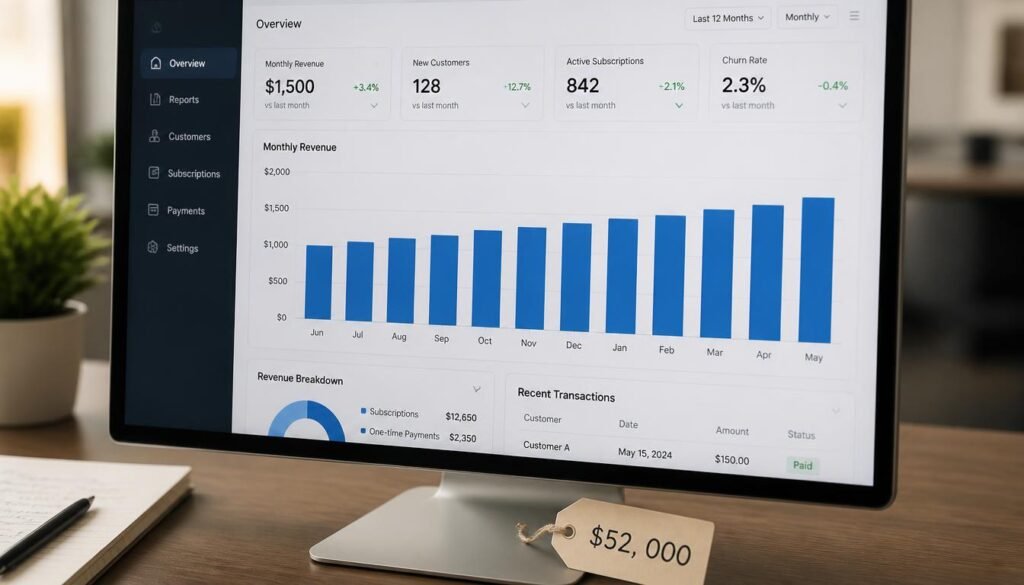
- You buy a site making $1,000/month for $35,000.
- You spend six months growing its search traffic to $1,500/month.
- You now sell it for around $52,000.
You added $500 in monthly profit. But that turned into about $17,000 in extra sale value. That multiplier is the whole game. You’re not just earning income — you’re building sale value at 35 times the speed.
I’ve tracked these marketplaces long enough to watch the same $1,000-a-month site sell, get grown by its new owner, and relist a year later at a much higher price. The multiple isn’t a theory. It’s how every deal on these platforms gets priced.
Watch: How Flipping a Website Works, Start to Finish
Want to see the whole process on a real marketplace before you risk a dollar? This walkthrough is a solid primer:
Why Buying a Website Beats Building One From Scratch
A skeptic will ask: why not just build your own site? Fair question. Here’s the answer.
Building a new site from scratch means months of work before you earn a single dollar. Most new sites fail. You’re betting your time on something unproven.
Buying flips that risk on its head. When you buy an existing site, you’re buying proof. The traffic is real. The income is real. The history is sitting right there in the analytics. You skip the scary part where most people quit.
Why Would Anyone Sell a Profitable Website?
Let me speak for the harshest critic in the room — the one who’s been burned.
“If these sites make money, why would anyone sell them?”
It’s the sharpest question in the whole debate. And it has honest answers. People sell profitable sites for the same reasons people sell profitable anything:
- They need cash now, not slow monthly income.
- They’re bored of the topic and want out.
- They have a bigger project and need the money.
- They build sites specifically to sell them — that’s their whole model.
Businesses change hands every day for reasons that have nothing to do with quality. A restaurant owner who retires isn’t admitting the restaurant is bad.
The Real Risks of Buying a Website
I promised you honesty, so here it is. This business has teeth.
The biggest danger is buying a site that’s secretly dying. Maybe its traffic leans on one Google trick that’s about to break. Maybe a single algorithm update wipes it out. This happens to real buyers.
But notice something. This risk is knowable. You can inspect it before you buy.

Website Due Diligence: The Skill That Actually Pays
Here’s what separates people who profit from people who get burned. It’s not luck. It’s homework.
Before buying, smart flippers check four things:
- Traffic sources — Is the traffic spread out, or stuck on one channel?
- Income sources — One affiliate program, or many?
- History — Steady growth, or a recent suspicious spike?
- The niche — Is anyone even searching for this stuff anymore?
A site with traffic from five sources is far safer than one riding a single Google keyword. This is learnable. It’s a checklist, not a superpower. Brokers even publish their own versions — Empire Flippers’ guide for website buyers is a good look at what professionals check before they wire money.
The first time I evaluated a site to buy, I nearly grabbed one whose entire income rode on a single keyword. Running these four checks is what stopped me. It’s also why experienced buyers rarely get wiped out — they treat the checklist as non-negotiable.
Why the Website Flipping Model Is Structurally Sound
Step back and look at the bigger picture. This isn’t a trend. It’s a real market with real plumbing.
There are established brokers. There are escrow services that hold your money safely while a sale goes through. There are pricing standards everyone agrees on. Scams don’t build escrow systems. Real markets do.
Established brokers like Empire Flippers have collectively moved hundreds of millions of dollars in website sales, every deal running through vetted, escrow-protected transfers.
And the web economy keeps growing. More businesses need a web presence every year. That means more assets to buy, improve, and sell.
The Part About Owning Something Real
Here’s the part the believers know deep down.
Most people never build anything they own. They trade hours for a paycheck their whole life. They have no asset with their name on it.
Website flipping breaks that pattern. You buy something real. You improve it with your own hands. Then you hand it to someone who values it more. Done right, it can even become an asset that pays you passively while you decide whether to sell.
That’s not a hustle. That’s the oldest kind of honest commerce there is. You’re a small merchant. You buy low, add value, sell higher. Humans have done this for thousands of years.

How to Start Website Flipping on a Small Budget
You don’t need $35,000 to start. You can buy a starter site for a few hundred dollars on marketplaces like Flippa or Motion Invest.
Treat your first one as tuition. Learn the ropes on something cheap. Expect to make mistakes.
The people who win here aren’t gamblers. They’re patient. They buy carefully and improve steadily.
Recommended Reading to Learn Website Flipping
Quick heads-up: the links below are affiliate links. If you buy through them, MakeMoneyQ may earn a small commission — at no extra cost to you.
If you’re going to treat your first flip as tuition, spend $15 on the textbook first. These three cover the whole arc — why buying beats building, how to flip a site step by step, and how to grow the traffic and income that decide the sale price:
- Buy Then Build: How Acquisition Entrepreneurs Outsmart the Startup Game by Walker Deibel — the definitive case for buying an existing, profitable business instead of starting from zero. It’s the exact mindset this article is built on.
- Website Flipping: How Anyone Can Create Websites and Sell Them for Profit by Onaolapo Adeyemi — a beginner-friendly, step-by-step walk through buying, improving, and selling sites without needing technical skills.
- Niche Websites & Affiliate Marketing: The Guide to Building a Passive Income Empire by Danny Holmes — the growth half of the equation: keyword research, SEO, and monetization that push a site’s monthly profit (and its resale value) up.
Website Flipping FAQ
Is website flipping legit or a scam? The business is legit; a lot of the marketing around it is not. Buying a profitable website, improving it, and reselling it through a broker with escrow is a real, decades-old model. The “six figures in your sleep” pitch is the scam. Keep the skepticism, drop the fantasy.
How much money do you need to start website flipping? You can start with a few hundred dollars. Starter sites sell cheaply on marketplaces like Flippa and Motion Invest, and a small first buy is the smartest way to learn due diligence without risking much.
How are websites valued? Websites typically sell for 30 to 45 times their average monthly profit. A site netting $1,000 a month usually sells in the $30,000–$45,000 range. Raise the monthly profit and you raise the sale price by that same multiple.
How long does it take to flip a website? Most flips run several months, not days. You buy a proven site, spend a few months improving its traffic and income, then sell. Anyone promising an overnight profit is selling a course, not a business.
What’s the biggest risk in website flipping? Buying a site that’s secretly dying — usually one whose traffic depends on a single Google keyword or one algorithm quirk. The fix is due diligence: confirm that traffic and income come from several sources before you buy.
Can beginners make money flipping websites? Yes — if they start small and treat the first purchase as a learning project. The skill that pays is due diligence, and it’s a checklist you can learn, not a talent you’re born with.
Is Website Flipping Worth It?
The people cleaning up in website flipping aren’t smarter than you. They just stopped waiting for permission. That’s the whole gap.
This is a real asset, sold at a price you can calculate, improvable by anyone willing to do the homework — inside a market with brokers, escrow, and rules that protect your money. The Lamborghini guy is lying. The business underneath him isn’t.
So open one listing tonight. Go to Flippa or Motion Invest, pull up a site earning under $500 a month, and run the four-point due diligence checklist against it before you spend a dollar. Don’t buy yet. Just learn to read one listing like a buyer instead of a dreamer. Do that once, and this stops being a theory you scroll past.