
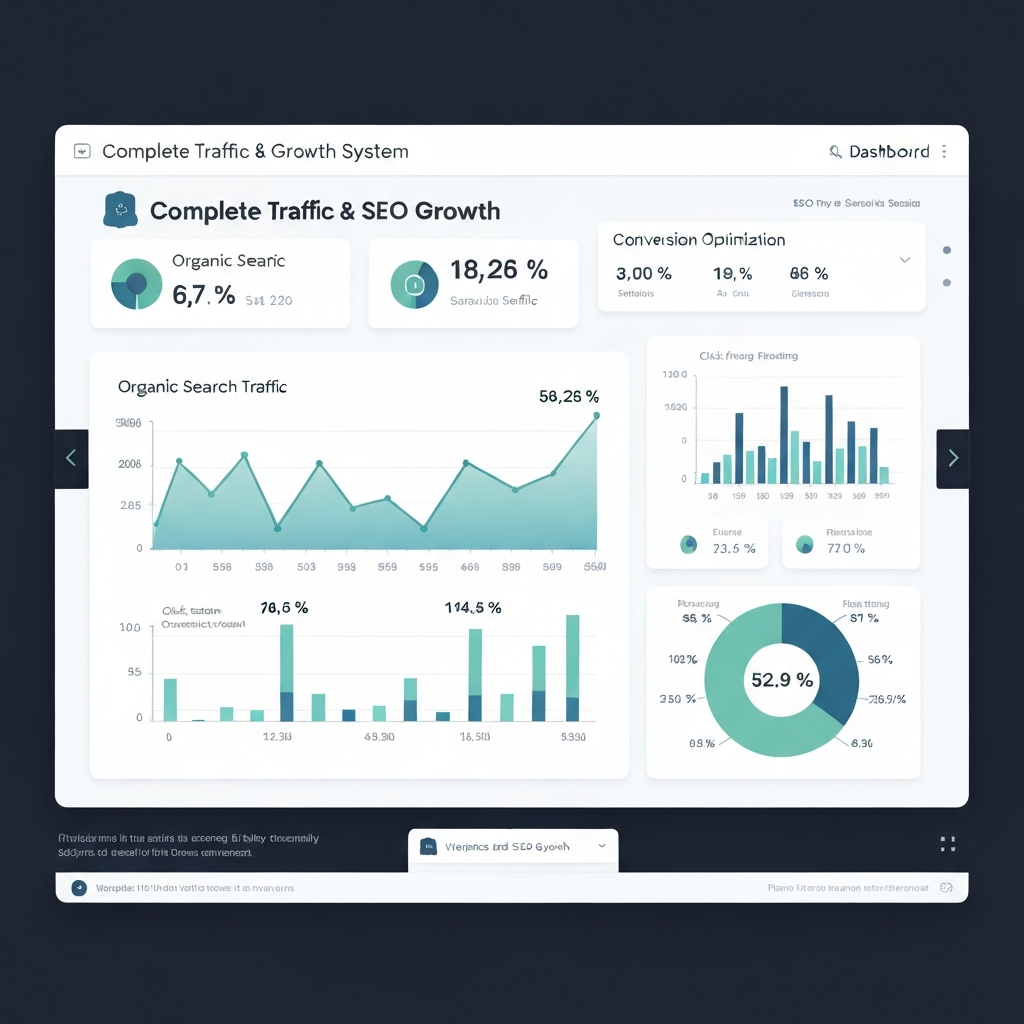
Traffic & SEO: 7 Proven Tactics for Explosive Growth
Traffic & SEO problems don’t fix themselves, and most “strategies” you’ve read are recycled garbage from 2019. I’ve spent 12 years watching sites hemorrhage rankings while their owners chase shiny objects—new tools, trendy tactics, AI shortcuts. Here’s the truth: sustainable seo traffic growth comes from boring, systematic work that compounds over time.
If you’re dealing with website traffic drops, stagnant rankings, or that frustrating plateau where nothing seems to move the needle—this framework is what actually works. No theory. No fluff. Just the checklist I’ve used to grow dozens of sites from zero to six-figure monthly sessions.
Table of Contents
- The 7-Part SEO Traffic Growth System
- 1. Technical SEO Foundation Audit
- 2. Search Intent Mapping
- 3. Content Decay Detection & Refresh
- 4. Internal Linking Architecture
- 5. SERP Feature Targeting
- 6. Core Web Vitals Optimization
- 7. Strategic Link Acquisition
- Essential Tools for the System
- Frequently Asked Questions
The 7-Part SEO Traffic Growth System
The fastest path to increase organic traffic involves these core pillars: technical foundation, intent alignment, content maintenance, internal linking, SERP optimization, page speed, and authority building. Master all seven, execute them systematically, and traffic growth becomes predictable rather than hopeful.
- Technical SEO – Crawlability, indexation, and site structure
- Intent Matching – Giving searchers exactly what they want
- Content Refresh – Fighting decay before rankings slip
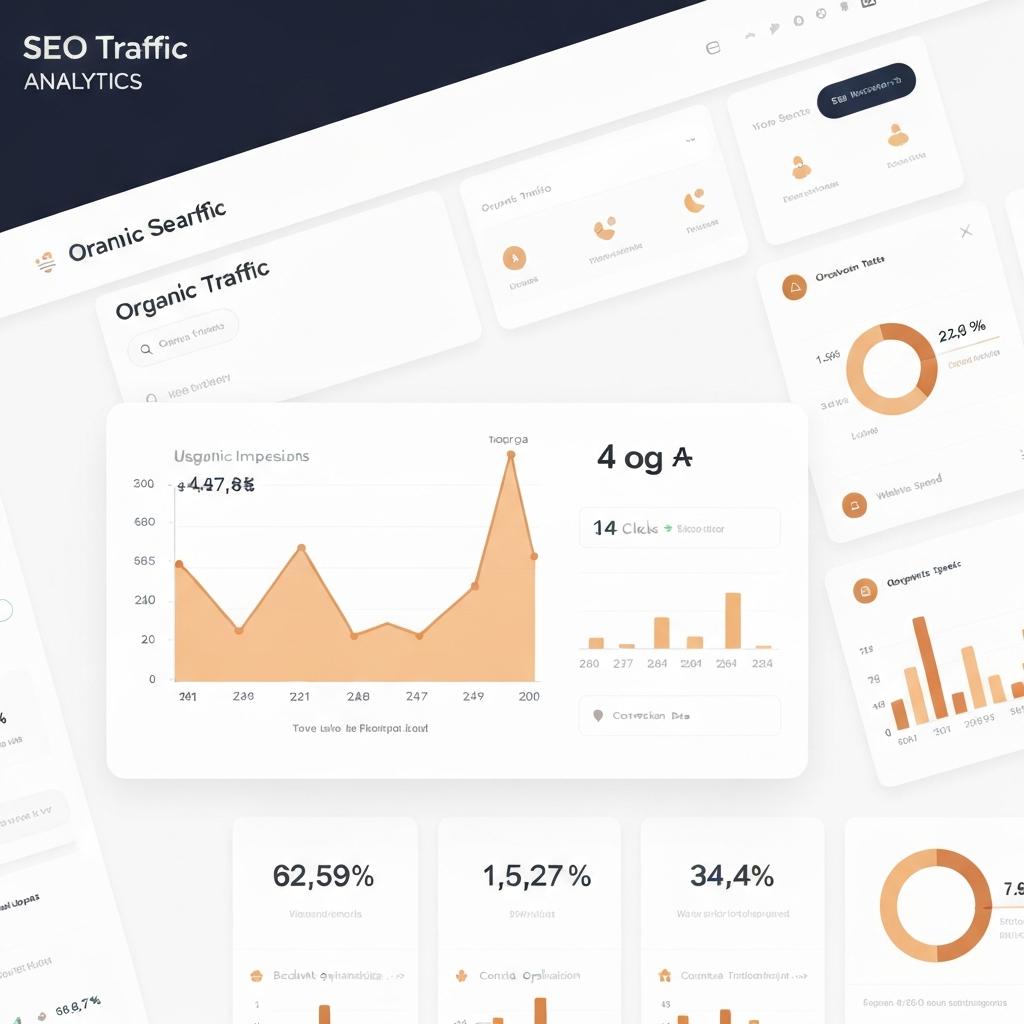
1. Technical SEO Foundation Audit
The Good: Technical SEO is the multiplier that makes everything else work harder. Fix crawl errors, clean up your sitemap, and suddenly that content you published six months ago starts ranking. According to Google’s own documentation, crawlability issues are one of the primary reasons content fails to rank.
The Bad: Most site owners treat technical SEO as a one-time task. They run a Screaming Frog crawl, fix the obvious stuff, and forget about it. The problem is that technical debt accumulates. Plugin updates break things. New pages create orphan content. Redirect chains multiply like rabbits.
The Verdict: Run a comprehensive technical audit quarterly at minimum. Your seo checklist should include: XML sitemap validation, robots.txt review, 404 error cleanup, redirect chain resolution, canonical tag verification, and structured data testing. If you haven’t set up your analytics properly, start with our GA4 & Search Console configuration checklist first.
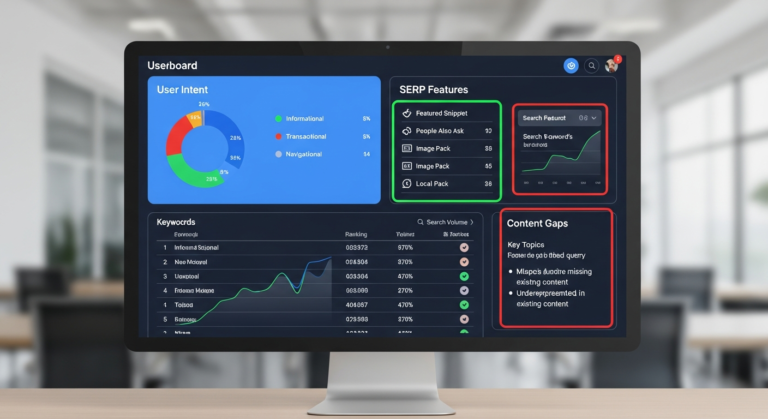
2. Search Intent Mapping
The Good: Google’s helpful content system, updated multiple times since 2022, fundamentally rewards content that satisfies user intent. A study from Search Engine Journal found that pages matching search intent outperformed keyword-optimized pages by 3x in ranking velocity.
The Bad: Most people still approach keyword research backwards. They find high-volume keywords first, then try to create content. Fast forward to three months later, and they’re wondering why their 2,000-word guide isn’t ranking—because the SERP clearly shows Google wants comparison tables, not essays.
The Verdict: Before writing a single word, analyze the top 10 results for your target keyword. What format dominates? What questions get answered? What’s the word count range? Your content format must match what’s already winning. Want to escape page 2 purgatory? The SERP Analysis Worksheet walks you through this process systematically.
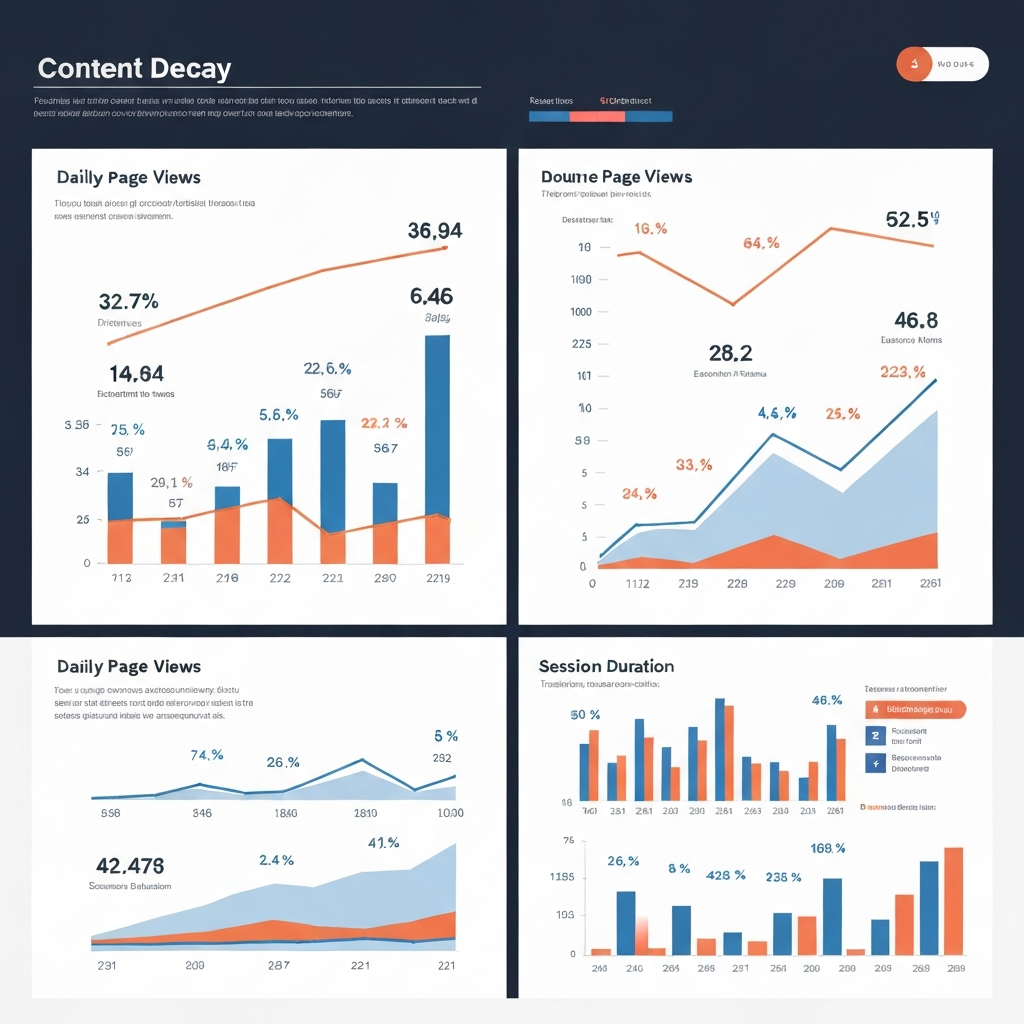
3. Content Decay Detection & Refresh
The Good: Content refresh is the highest-ROI activity in SEO. You already did the hard work of creating and getting initial traction. Updating existing content is 3-5x more efficient than creating new content from scratch, according to data from Ahrefs’ content refresh study.
The Bad: Identifying decay isn’t straightforward. Traffic drops could mean algorithm changes, seasonal fluctuations, or actual content staleness. Many people refresh content that didn’t need it while ignoring pages in critical decline.
The Verdict: Set up monthly decay detection using Search Console data. Flag any page that’s dropped 20% or more in clicks over 90 days. Prioritize by current traffic volume—save the high-impact pages first. Update statistics, add new sections addressing emerging subtopics, and improve internal linking.
4. Internal Linking Architecture
The Good: Internal links are the only ranking factor you control 100%. No outreach required. No waiting for editorial decisions. Every internal link passes authority and signals topical relevance. According to Moz’s research, strategic internal linking can boost page rankings within weeks.
The Bad: Most WordPress sites have chaotic internal linking. New posts link to old content, but old content never gets updated to link to new posts. The result? Your newest (often best) content gets the least internal link equity.
The Verdict: Implement a hub-and-spoke model. Identify your pillar pages for each topic cluster. Every supporting article must link to its pillar. Every pillar must link down to supporting content. Audit your internal links monthly and add 5-10 contextual links to your newest content from established pages.
5. SERP Feature Targeting
The Good: Featured snippets, People Also Ask boxes, and FAQ rich results can dramatically increase click-through rates—sometimes 2-3x versus standard organic results. Owning position zero effectively gives you two spots on page one.
The Bad: SERP features are volatile. Google’s testing culture means featured snippet ownership can shift weekly. Over-optimizing for snippets can make content feel robotic and hurt overall quality signals.
The Verdict: Target snippets opportunistically, not obsessively. Structure content with clear H2/H3 headers that match question queries. Use definition-style paragraphs (40-60 words) immediately after headers. Include FAQ schema for question-based content, but don’t force it where it doesn’t belong.
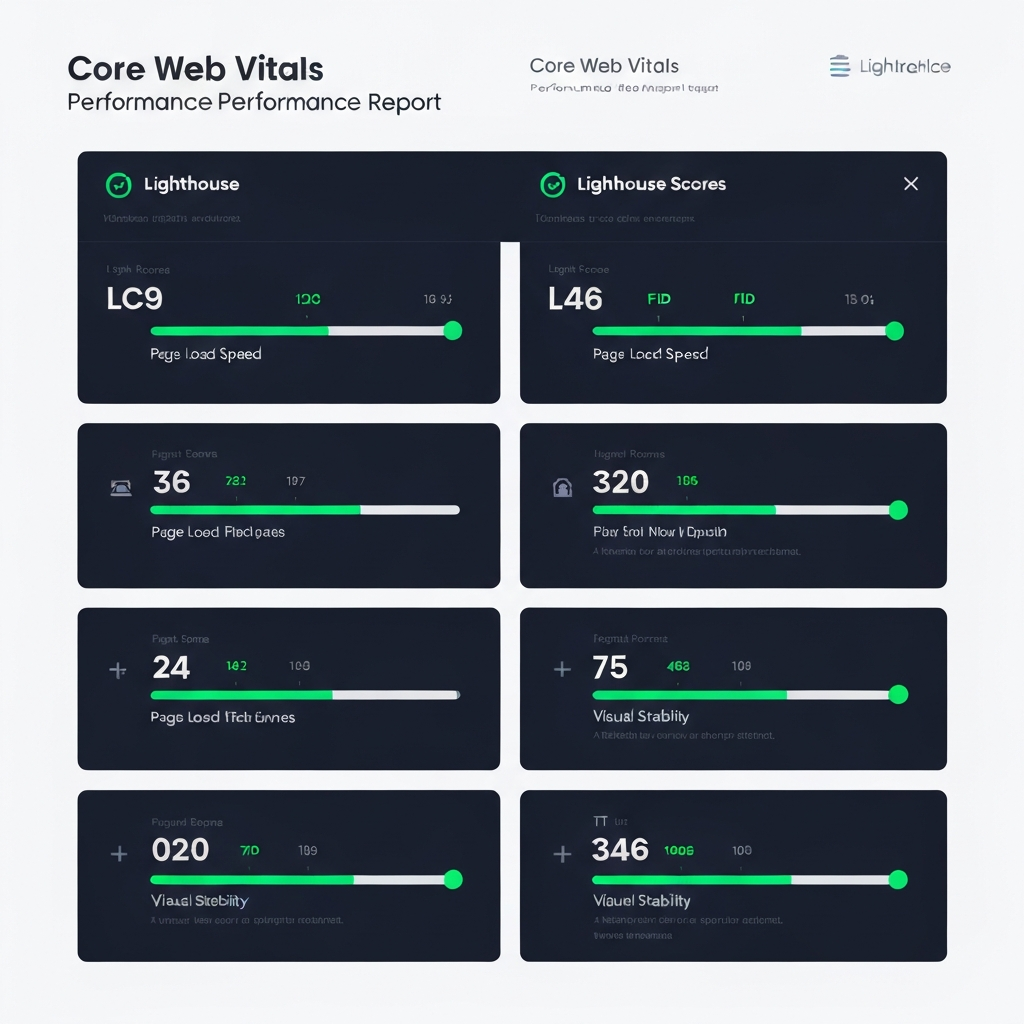
6. Core Web Vitals Optimization
The Good: Page experience signals are confirmed ranking factors. Sites passing Core Web Vitals assessments see measurable ranking improvements, particularly in competitive niches where content quality is similar across competitors.
The Bad: The ROI on performance optimization diminishes quickly. Going from “failing” to “passing” matters. Going from “good” to “perfect” rarely moves the needle on rankings. Many developers burn weeks chasing milliseconds that don’t impact business outcomes.
The Verdict: Focus on the 80/20. Lazy load images below the fold. Defer non-critical JavaScript. Use a CDN. Optimize your largest contentful paint by preloading hero images. Get all Core Web Vitals to “good” status and move on—perfection is a distraction from content work that actually drives traffic.
7. Strategic Link Acquisition
The Good: Backlinks remain a top-three ranking factor. Quality links from relevant, authoritative sites provide ranking power that’s difficult to replicate through on-page optimization alone.
The Bad: Link building in 2024 is brutal. Response rates on outreach are under 3%. Guest posting has become commoditized. And Google’s link spam updates have devalued entire categories of previously effective tactics.
The Verdict: Create linkable assets—original research, free tools, comprehensive guides that become reference material in your niche. Focus on building relationships with 10-15 key publishers rather than blasting hundreds of generic pitches. One editorial link from a relevant industry site beats 50 directory submissions.
Essential Tools for the System
Running this seo strategy effectively requires proper tooling. Here’s what I actually use daily—no affiliate padding, just what works:
For technical audits: Screaming Frog (desktop) combined with Google Search Console gives you everything needed for site health monitoring. The free tier handles most sites under 500 pages.
For content optimization: Clearscope or Surfer SEO provide data-driven content briefs. Worth the investment if you’re publishing 4+ pieces monthly.
For tracking and measurement: Properly configured GA4 with Search Console integration is non-negotiable. If you’re still running blind, our 30-day traffic system includes setup instructions.
Frequently Asked Questions
How long does it take to see SEO traffic growth?
Realistic timeline is 90-180 days for competitive keywords. Quick wins on long-tail keywords can show within 30-60 days with proper technical foundation and content optimization. Anyone promising faster results for competitive terms is either lying or planning to use tactics that create long-term risk.
Why did my website traffic drop suddenly?
Common causes include algorithm updates, technical issues like broken redirects, content decay, lost backlinks, or manual penalties. Check Google Search Console for crawl errors and manual actions first. Compare the timing of your drop against known Google update dates—correlation isn’t causation, but it’s a starting point.
Is paid traffic better than organic SEO traffic?
They serve different purposes. Paid traffic delivers immediate results but stops when budget runs out. Organic SEO traffic compounds over time and has a lower cost-per-acquisition long-term, but requires upfront investment. Bottom line: most successful sites use both strategically.
What’s the most important SEO factor for traffic growth?
Search intent alignment. You can nail every technical factor and still fail if your content doesn’t match what users actually want when they type that query. Google’s helpful content system prioritizes user satisfaction signals above traditional ranking factors.
Do backlinks still matter for SEO in 2024?
Yes, but quality over quantity matters more than ever. A handful of relevant, authoritative links from topically related sites outperforms hundreds of low-quality directory links. Google’s link spam updates have made this distinction even more critical.
Bottom line: Traffic & SEO success isn’t about finding some secret tactic. It’s about executing the fundamentals consistently while everyone else chases shortcuts. The system above isn’t exciting, but it works. Run it for six months without deviation, and you’ll be in a completely different position than when you started.
As an Amazon Associate, I earn from qualifying purchases.




2 Comments
Comments are closed.