
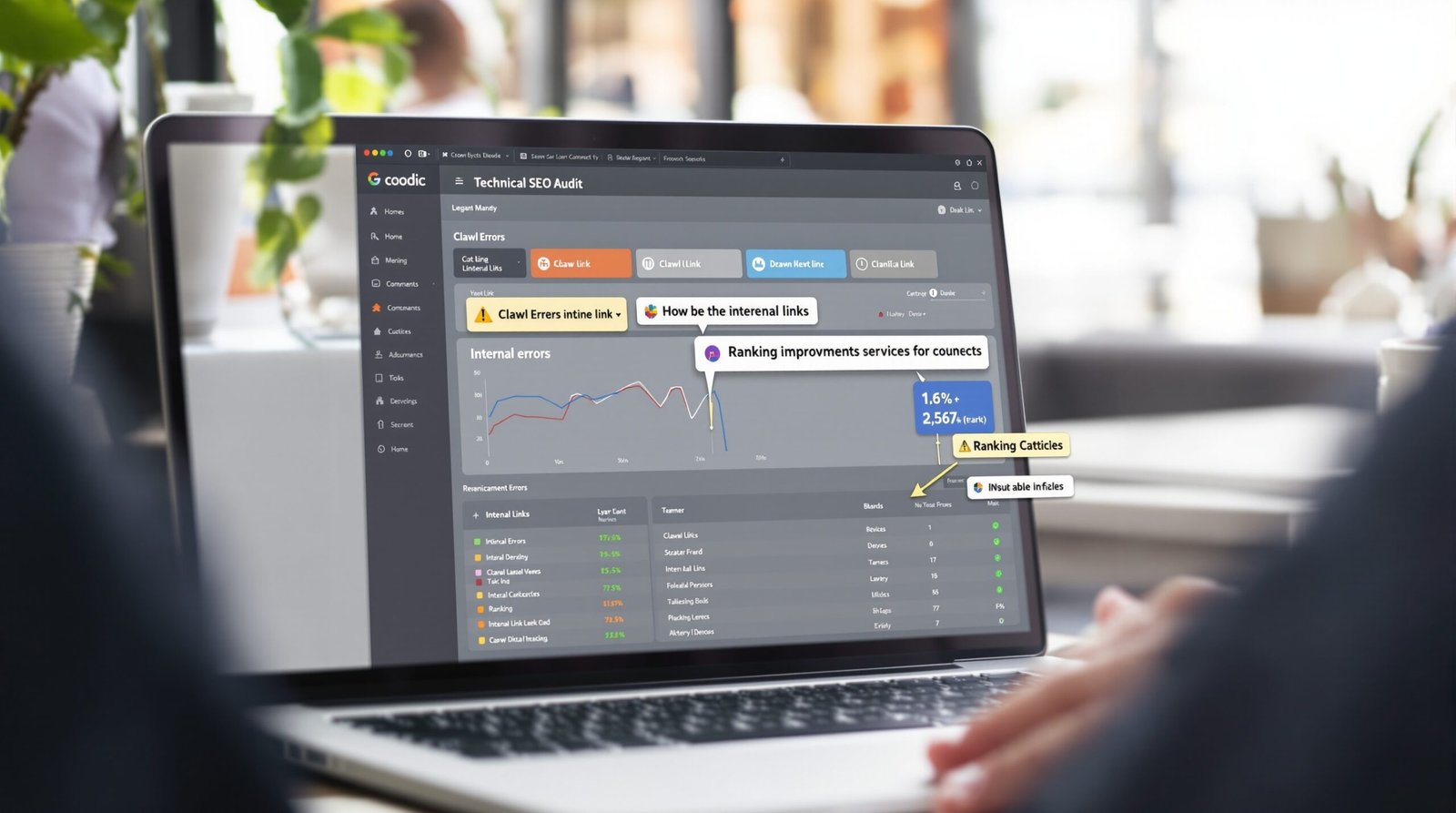
Seo Tools That Actually Move Rankings (2026 Picks)
SEO tools that actually move rankings are the ones that force better decisions, not the ones that spit out dopamine charts. If your stack isn’t helping you fix crawling/indexing, tighten internal linking, and ship content that matches intent, you’re basically paying rent on a fancy calculator.
Here’s the truth: most “SEO platforms” are bloated, opinionated reporting layers sitting on top of the same basic signals. The problem is people buy dashboards hoping rankings magically obey. They don’t.
Table of Contents
- What Actually Moves Rankings (and what doesn’t)
- The Only Tool Categories Worth Paying For
- How I Choose Tools (the no-BS checklist)
- Practical Tool Stacks by Business Type
- Common Traps That Waste Your Money
- Amazon-Friendly SEO Gear I’d Actually Buy
- Frequently Asked Questions
- Bottom Line
What Actually Moves Rankings (and what doesn’t)
Rankings move when you improve crawlability, indexing, internal link flow, content-to-intent match, and real authority signals. Tools matter only because they expose bottlenecks and guide decisions. If a tool can’t help you find and fix ranking blockers or build better pages, it’s not moving anything.
Let’s kill the fantasy early: Google doesn’t reward your subscription plan. It rewards outcomes.
Outcome #1: Google can crawl and understand your site without tripping over nonsense. That means clean internal linking, sane canonicalization, noindex used intentionally (not accidentally), and a site architecture that doesn’t look like it was designed by a raccoon on espresso.
Outcome #2: Your content matches the job the searcher is hiring it to do. A “best X” query wants comparisons and decisions. A “how to fix X” query wants steps and confirmation. A tool that helps you see real SERP patterns is worth more than a tool that generates fifty “SEO scores.”
Outcome #3: Authority and trust signals accumulate over time. Links still matter because they’re part of how search engines evaluate importance and relationships between pages. If you want a technical origin story, PageRank is literally the classic example of link-based authority modeling (Wikipedia overview: https://en.wikipedia.org/wiki/PageRank). If you want the academic version, the original PageRank paper is hosted by Stanford (https://snap.stanford.edu/class/cs224w-readings/page98.pdf).
Now the part people don’t like hearing: most SEO tools are measurement tools pretending to be growth tools. Measurement helps, but it doesn’t ship fixes. It doesn’t rewrite weak sections. It doesn’t remove duplicate indexable URLs. You do.
So we’re going to focus on tools that either (a) reveal the highest-impact problems fast, or (b) reduce the cost of making better decisions.
The Only Tool Categories Worth Paying For
If you’re trying to build a stack that actually moves rankings, you only need a handful of categories. Everything else is a “nice-to-have” (which is a polite way of saying “you’ll forget you’re paying for it”).
1) A real crawler (because Google can’t rank what it can’t reach)
Screaming Frog SEO Spider is still the closest thing to a wrench set for technical SEO. It’s not “pretty.” That’s the point. It shows you broken internal links, redirect chains, orphan pages, canonicals, duplicate titles, thin pages, and all the little leaks that kill performance over time.
Sitebulb is the friendlier alternative if you want visuals and explanations. It can be great for teams, clients, or your future self when you look back and wonder what you fixed last month.
If you’re using a “site audit” that doesn’t crawl like a crawler, it’s probably a toy.
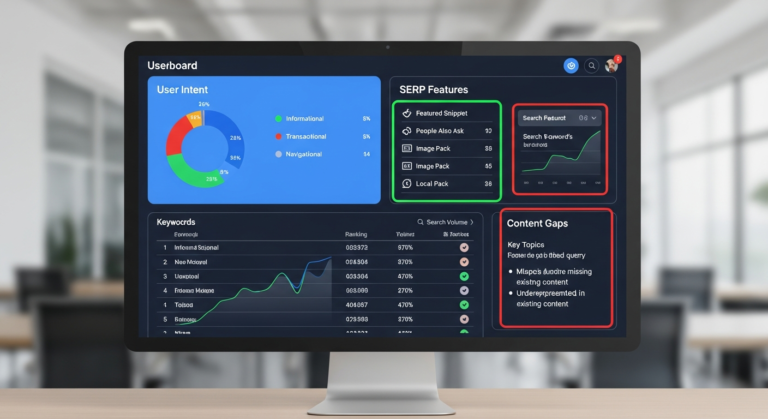
2) SERP + keyword intelligence (so you stop publishing into the void)
Whether it’s Ahrefs or Semrush, you want one primary source of truth for: keyword difficulty context, competitor pages that actually rank, topic clusters, and (critically) link profiles.
Hot take: a lot of people use these tools to collect keywords like Pokémon. Then they never publish. Use the data to make a decision within 24 hours. If it doesn’t change what you ship, it’s entertainment.
3) Google’s own data (because it’s literally the referee)
Google Search Console is non-negotiable. If you don’t use it, you’re doing SEO with a blindfold and a motivational quote. It tells you queries, impressions, clicks, indexing issues, and which pages Google is choosing to show (or ignore).
Add PageSpeed Insights and Lighthouse for performance checks. Not because “Core Web Vitals are everything,” but because slow, janky pages bleed engagement and conversions—especially on mobile.
4) Link prospecting + relationship tracking (the unsexy part that works)
This is where people either do the work or they don’t.
A solid link tool helps you find who links to competing pages, identify patterns (lists, resource pages, broken link opportunities), and build a shortlist of targets.
But here’s the line: if your link plan is “spray emails and pray,” you’ll get ignored. Build actual value. And if you’re doing affiliate content, disclose relationships properly—FTC guidance exists for a reason (https://www.ftc.gov/business-guidance/advertising-marketing/endorsements-influencers-reviews).
5) Content optimization that doesn’t turn your writing into oatmeal
Some “content tools” are helpful. Many are SEO Mad Libs.
If a tool’s core feature is forcing you to hit a keyword density target, that tool sucks. Period. Modern search is not impressed by awkward repetition. The best tools here help with SERP patterns, missing subtopics, and internal linking opportunities—without dictating your voice.
Fast forward to the tools that win: the ones that help you answer the query better than the top five results, and do it consistently.
Want a simple sanity check? If the tool can’t point to a page-level change you can implement this week, it’s not in the “moves rankings” category. It’s in the “makes you feel productive” category.
And yes, there are endless “SEO suites” promising all-in-one everything. The problem is they’re often mediocre at everything, excellent at billing, and weirdly proud of their AI-generated “insights.”
Bottom line: your stack should be small, sharp, and used daily.
How I Choose Tools (the no-BS checklist)
If you want to avoid expensive regret, use this checklist before you buy anything.
- Does it change decisions? If the output doesn’t lead to specific actions (fix this, rewrite that, link these pages), it’s noise.
- Is the data explainable? If the tool is a black box, you’ll eventually mistrust it and stop using it.
- Can it export cleanly? You’ll need CSVs, reports, or task lists you can hand to a writer/dev without a live demo.
- Does it fit your workflow? “Powerful” tools you don’t use are just expensive bookmarks.
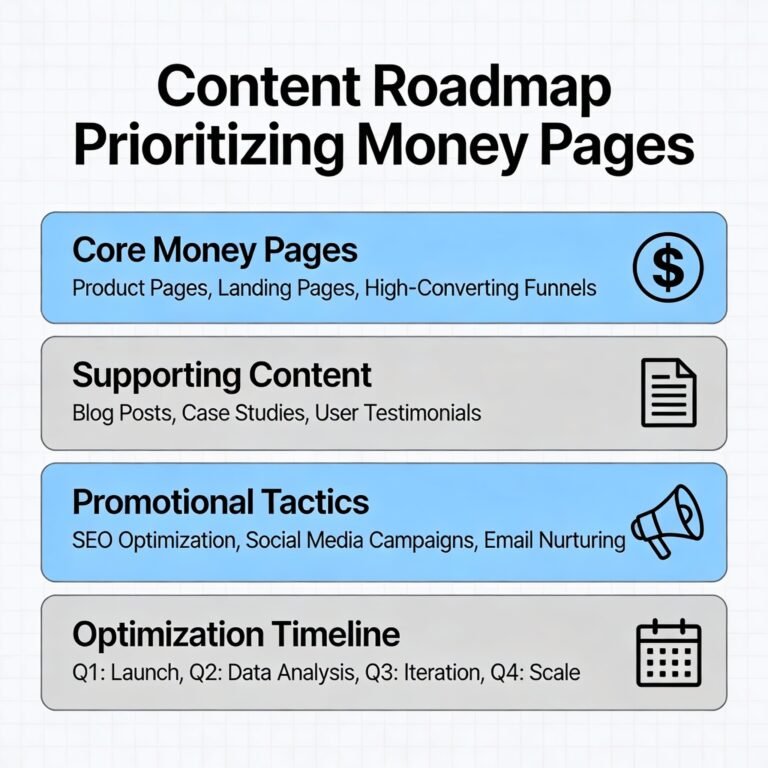
- Can it map to money pages? If it can’t help you prioritize pages that drive revenue, it’s not a business tool.
Here’s the part most people skip: tool selection is really about picking a system. You’re not buying a platform. You’re buying a habit loop.
If you want a simple framework for evaluating tools like an adult (instead of like a kid in a candy store), I wrote up the full approach here: the no-BS system for choosing tools that actually make you money. Use it before you start stacking subscriptions like they’re Pokémon cards.
One-sentence truth: the best SEO tool is the one you open when something breaks, not the one you open when you want reassurance.
Practical Tool Stacks by Business Type
Different businesses need different levels of firepower. The mistake is buying an agency stack when you’re a solo publisher—or running a solo stack while managing a 50,000-product catalog.
Stack A: Solo blogger / affiliate site (lean, lethal)
- Google Search Console (free): query discovery, indexing reality checks, CTR opportunities
- Screaming Frog (paid): technical crawl, internal linking audits, on-page duplication checks
- One SERP intelligence tool (paid): Ahrefs or Semrush for competitor pages, links, and keyword validation
This stack wins because it forces you to do the right work: fix access, publish content that matches intent, and strengthen internal linking around revenue pages.
Stack B: Small team / content operation
- Everything in Stack A
- Content briefing tool (optional): helps standardize outlines and SERP coverage without killing voice
- Rank tracking (lightweight): enough to catch drops and measure releases, not obsess hourly
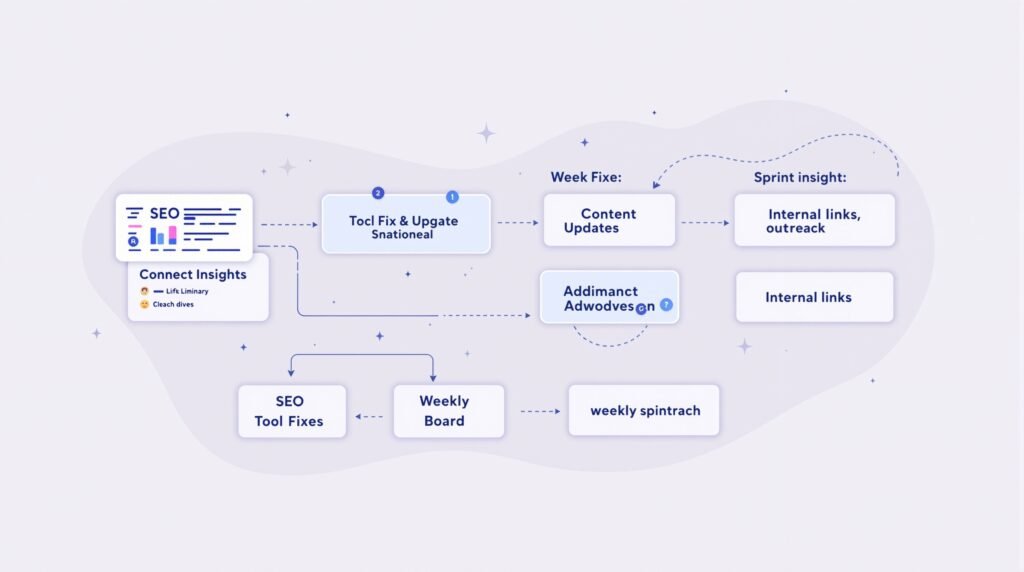
Team rule: if you can’t turn tool outputs into a weekly sprint board, you’re paying for clutter.
Stack C: Ecommerce / large site
- Everything in Stack B
- Log file analysis (advanced): see what bots actually crawl, not what you hope they crawl
- Index management workflows: canonical rules, faceted navigation controls, templated metadata governance
This is where “cute” tools die. You need ruthless clarity about crawl budget, duplicate URL generation, and which templates are dragging the whole domain down.
Notice what I didn’t include: “AI auto-SEO” plugins that promise to optimize your site while you sleep. They’re usually a shortcut to thin, repetitive pages and a mess of internal linking that makes future cleanup miserable.
Also: if you’re chasing algorithm updates like a weather forecast, stop. Yes, updates matter, but the winning response is boring: improve page quality, reduce technical debt, and build legitimate authority. If you want ongoing coverage of updates, Search Engine Land is one of the more consistent industry news sources https://searchengineland.com/library/google/google-algorithm-updates.
And yes, I’m going to say it: if your “SEO strategy” is basically “rank tracking + anxiety,” you don’t have a strategy.
Common Traps That Waste Your Money
These are the traps I see every week. If any of these sound familiar, your rankings aren’t stuck—your process is stuck.
Trap 1: Paying for “all-in-one” and using 10% of it
All-in-one tools are fine if you actually use them. Most people don’t. They buy the idea of productivity and then keep doing guesswork.
Trap 2: Optimizing for tool scores instead of users
If your content reads like it was written to satisfy a checklist, users bounce. That’s not a “tool problem.” That’s a writing problem created by letting software bully your voice.
Trap 3: No internal linking plan
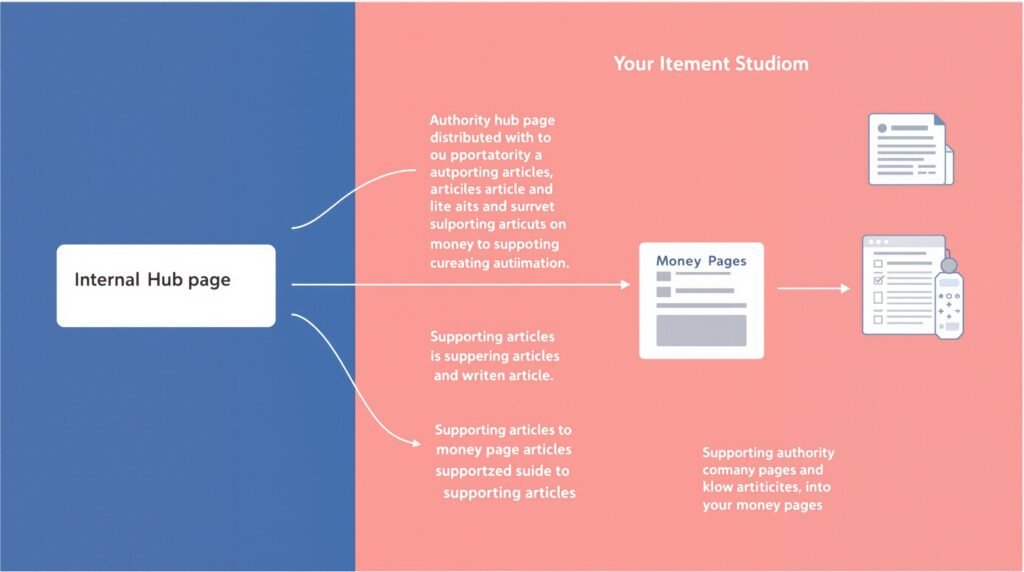
Internal links are the cheapest authority you’ll ever create. Most sites treat them like an afterthought. Stop doing that.
Use your crawler to find orphan pages, and use your SERP tool to identify which pages should funnel authority to your money pages. If you need a structured way to evaluate whether your tool stack supports revenue-first decisions, revisit: this tool selection system.
Trap 4: “More content” instead of “better pages”
Publishing 100 mediocre posts is not a flex. It’s technical debt with feelings.
Quick test: if you can’t name the single page that should win for each main topic, you’re not building topical authority—you’re building a library of maybes.
Amazon-Friendly SEO Gear I’d Actually Buy
These aren’t “rankings tools” directly, but they improve the work that actually moves rankings: faster audits, better writing, cleaner analysis, and fewer headaches. Use Amazon search links (not direct product URLs) so you’re not stuck promoting out-of-stock ghosts.
1) Technical SEO reference book (for when you want fewer myths)
Look for: a technical SEO handbook or site auditing guide that explains crawling, indexation, canonicals, and internal linking in plain English.
2) Dual monitor setup (because tab juggling is not a personality trait)
Look for: a 24–27″ IPS monitor with good text clarity. You’ll spend hours comparing SERPs, crawls, and drafts. Make that tolerable.
3) Ergonomic mouse (your wrist will send you a thank-you note)
Look for: an ergonomic vertical mouse. Crawls, spreadsheets, and writing sessions add up.
4) USB-C hub / adapter kit (the boring hero)
Look for: a reliable USB-C hub with HDMI and Ethernet. If you’ve ever lost an afternoon to “why won’t this display connect,” you already understand.
Frequently Asked Questions
What’s the fastest SEO tool win if I’m starting from zero?
Google Search Console plus a real site crawl is the fastest combo. GSC tells you what Google already sees and where you’re bleeding clicks; a crawler tells you what’s blocking crawling, indexing, and internal link flow. Fixing those basics beats buying fancy dashboards.
Can AI content tools move rankings by themselves?
Not reliably. AI can speed drafting and outlining, but rankings move when you improve relevance, depth, and trust signals—and when the page is technically accessible. Treat AI as a writing assistant, not an SEO strategy.
Do I need Ahrefs or Semrush, or is the free stuff enough?
If you’re publishing competitively, a paid SERP/link intelligence tool usually pays for itself by preventing bad keyword bets and revealing link gaps. If you’re early-stage, start with free tools (GSC, GA4, PageSpeed Insights) and upgrade once you’ve got traction.
How do I know a tool is just vanity metrics?
If the tool can’t point to a specific page-level action that improves crawlability, internal linking, content matching, or link acquisition, it’s probably vanity. Pretty charts don’t rank. Decisions do.
Bottom Line
SEO tools that actually move rankings are the ones that expose real blockers and force better execution. Get a crawler, get SERP intelligence, live in Search Console, and build a workflow that turns insights into fixes every week.
The problem is not that you don’t have enough tools. The problem is you don’t have a tight system.
My final insider takeaway: if your stack doesn’t make you faster at shipping improvements, cut it. Your bank account will survive. Your rankings might even improve out of sheer relief.
As an Amazon Associate, I earn from qualifying purchases. This comes at no extra cost to you and helps keep the lights on and the crawlers crawling


2 Comments
Comments are closed.