Monetization Strategy: 5 Deadly Mistakes to Avoid
Table of Contents
- Why Most Monetization Plans Crash and Burn
- The Five Monetization Models That Actually Work
- How to Choose Your Primary Model (Without Guessing)
- How to Diversify Revenue Streams Without Spreading Thin
- Building Recurring Revenue Into Your Business
- Frequently Asked Questions
Your monetization strategy is broken. I don’t know you personally, but if you’re reading this, there’s a solid chance you’re either making nothing from your content, making pocket change, or you’ve built something so fragile that one algorithm update could wipe out half your income overnight. I’ve watched it happen to hundreds of creators over the past decade.
Here’s the truth: choosing how to monetize content isn’t about copying what the biggest players do. It’s about understanding what your specific audience will pay for, when they’ll pay for it, and how much friction they’ll tolerate.
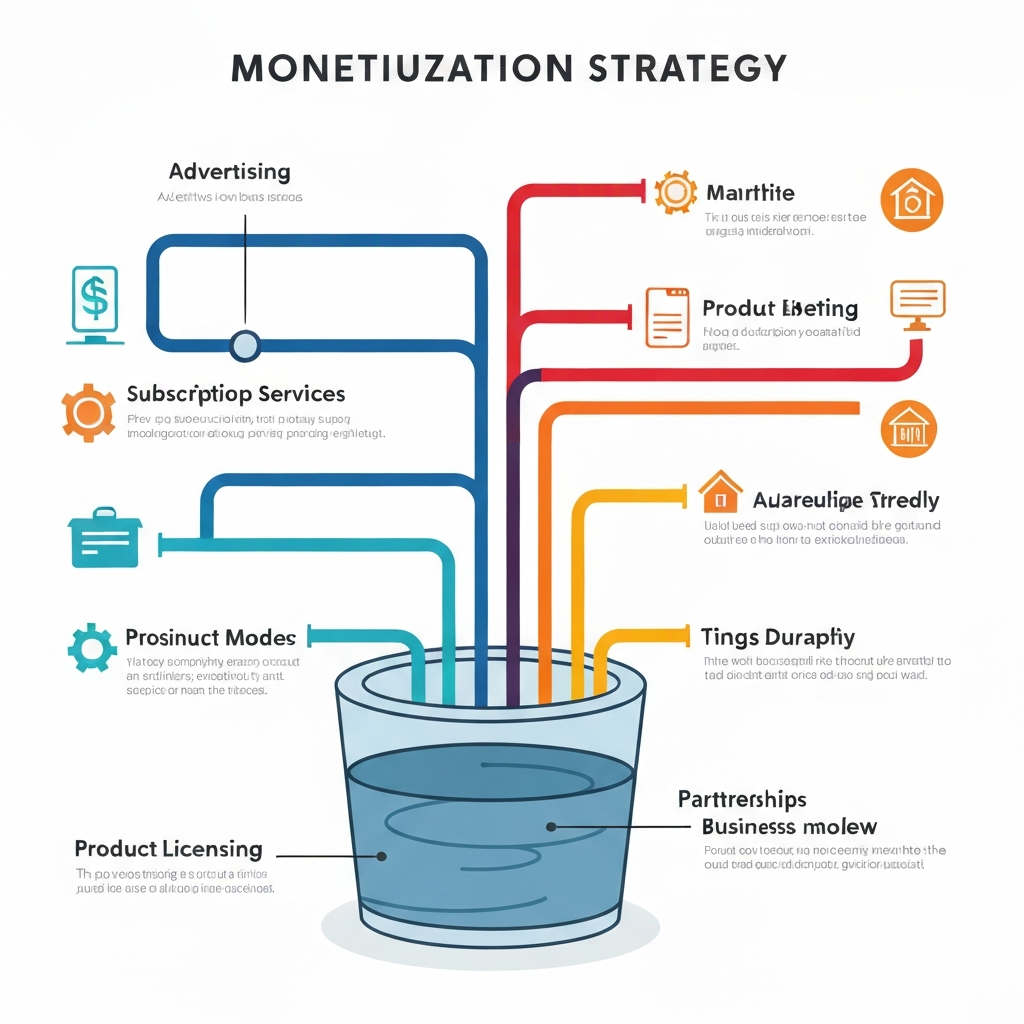
A successful monetization strategy combines multiple revenue models tailored to your audience’s behavior, your content type, and your operational capacity—then layers in at least 2-3 backup income streams before any single source exceeds 40% of total revenue.
That’s the summary. Now let’s tear apart everything you probably thought you knew about building a monetization plan.
Why Most Monetization Plans Crash and Burn
I’ve consulted for content sites that went from $50K/month to $8K/month in under 90 days. Same content. Same team. Same effort. What changed? They’d built their entire revenue structure on a single monetization model that was vulnerable to external forces.
The problem is most creators treat monetization as an afterthought. They build traffic first, then scramble to figure out how to monetize content once they’ve got an audience. This is backwards.
According to a U.S. Small Business Administration report, businesses that start with a clear revenue model in mind are 30% more likely to scale successfully than those that pivot later. Your monetization plan should inform your content strategy, not the other way around.
The three killers I see repeatedly:
- Single-source dependency — Putting all eggs in AdSense, a single affiliate program, or one brand deal
- Audience mismatch — Choosing models your audience won’t respond to (selling $2,000 courses to people searching for free recipes)
- Premature complexity — Launching five revenue streams before any single one is profitable
The Five Monetization Models That Actually Work
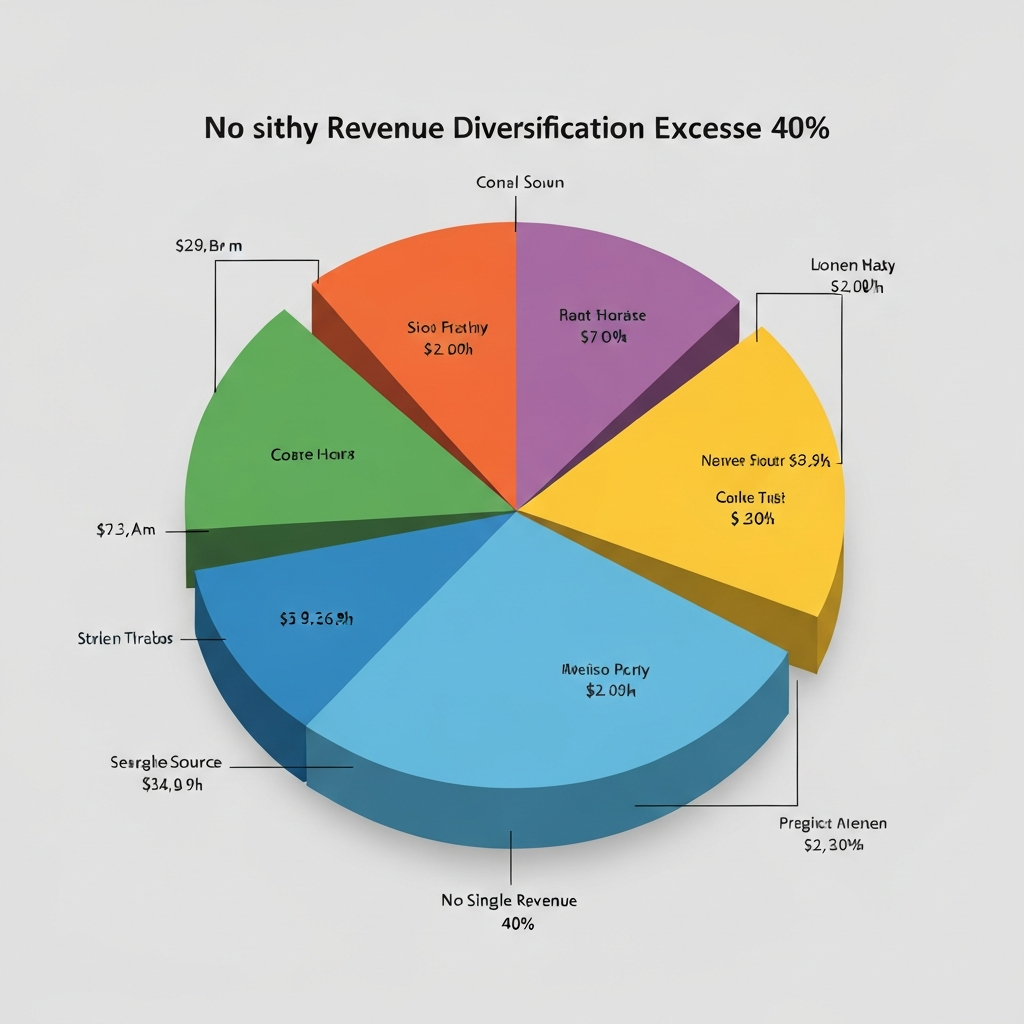
Let’s skip the academic fluff. According to Harvard Business Review’s analysis of digital business models, virtually every successful online business monetizes through some combination of these five approaches:
1. Advertising Revenue
Display ads, sponsored content, and programmatic advertising. The upside? Passive income once traffic is established. The downside? You need serious volume (typically 50,000+ monthly sessions) before this becomes meaningful. And you’re renting your income from platforms that change rules constantly.
Works best for: High-traffic informational content, entertainment, and news.
2. Affiliate Marketing
Recommending products you trust and earning a commission. This is where sites like ours generate meaningful revenue—whether we’re talking about kitchen equipment for people exploring how to built their first asset.
The key: only recommend things you’d genuinely use. Your audience knows when you’re shilling garbage.
Check Business Strategy Books on Amazon
3. Digital Products
Courses, ebooks, templates, printables, software. High margin, infinitely scalable, but requires upfront development time. A well-designed digital product can generate revenue for years with minimal maintenance.
4. Services and Consulting
Trading time for money at premium rates. Not scalable, but incredibly profitable when you’re starting out. Many successful product businesses started as consulting practices.
5. Membership and Subscriptions
Recurring revenue from gated content or community access. The holy grail of predictable income—but requires consistent value delivery and serious retention strategy.
How to Choose Your Primary Model (Without Guessing)
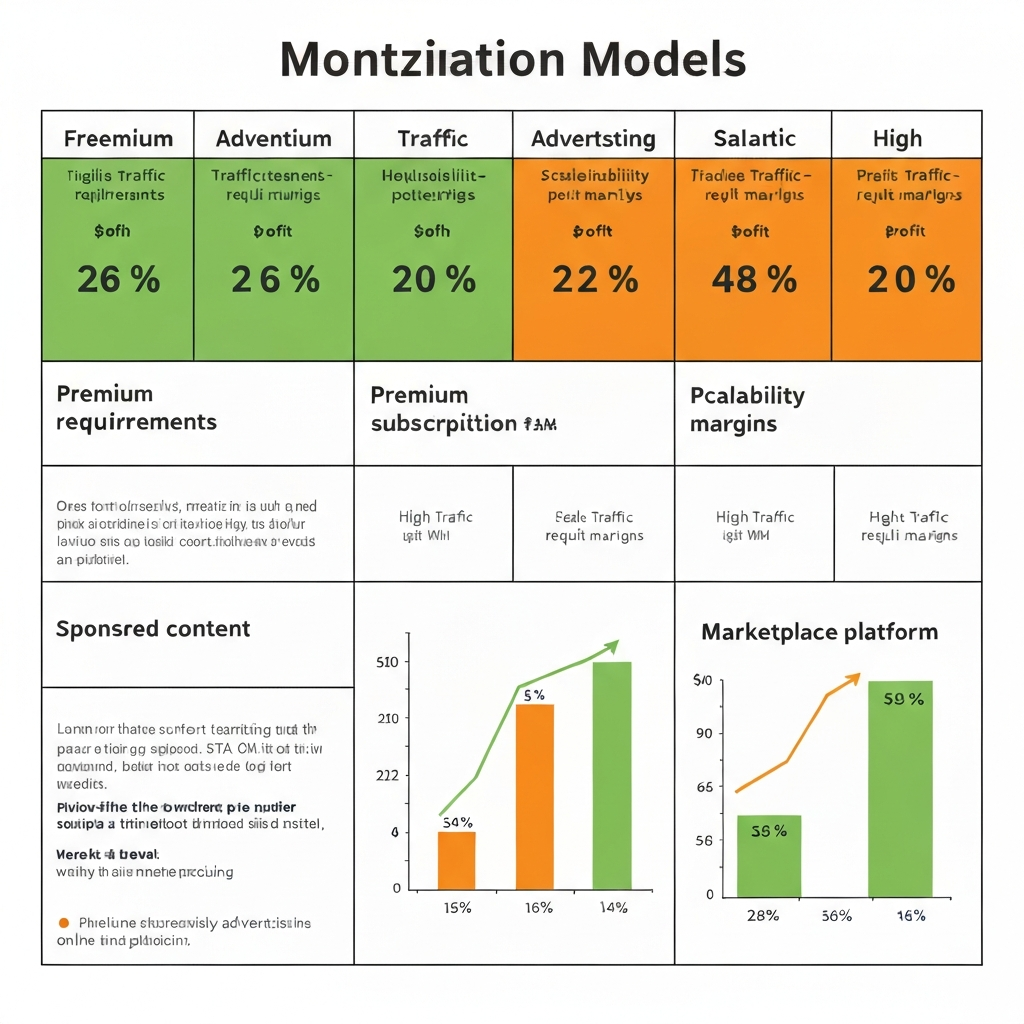
Stop asking “what’s the best monetization model?” Start asking “what will my specific audience pay for?”
Here’s my framework after a decade of building and consulting on monetization strategies:
Step 1: Audit your traffic intent. People searching “how to fix a leaky faucet” have different purchase intent than people searching “best kitchen faucet for farmhouse sink.” Informational queries favor ads; commercial queries favor affiliates and products.
Step 2: Calculate your audience’s economic capacity. Readers hunting to learn the best income model might spend $20-50 on adspend. They’re probably not buying a $2,000 masterclass. Match your offers to realistic spending patterns.
Step 3: Assess your operational bandwidth. Services require time. Products require development. Ads require traffic. Memberships require ongoing content. Be honest about what you can sustain.
According to Statista’s content marketing data, the average content creator takes 18 months to reach sustainable income. Choosing a model misaligned with your capacity guarantees you won’t make it that far.
How to Diversify Revenue Streams Without Spreading Thin
Here’s where most advice gets it wrong: diversification doesn’t mean doing everything at once. It means sequentially adding revenue streams after each one stabilizes.
My rule of thumb:
- Get one revenue stream to $1,000/month
- Systemize it so it runs without daily attention
- Add a second complementary stream
- Repeat until no single source exceeds 40% of revenue
The 40% rule is non-negotiable. If any single income source represents more than 40% of your total revenue, you’re one policy change, algorithm update, or market shift away from disaster.
Complementary streams are key. If you’re doing affiliate marketing, add display ads (both benefit from traffic). If you’re selling courses, add a membership (both benefit from audience trust). Don’t try to run a consulting business while simultaneously building a subscription product—those require completely different operational muscles.
Find Passive Income Guides on Amazon
Building Recurring Revenue Into Your Business
Recurring revenue ideas aren’t just nice-to-have—they’re essential for sustainable growth. One-time sales create a constant treadmill; subscriptions create compounding value.
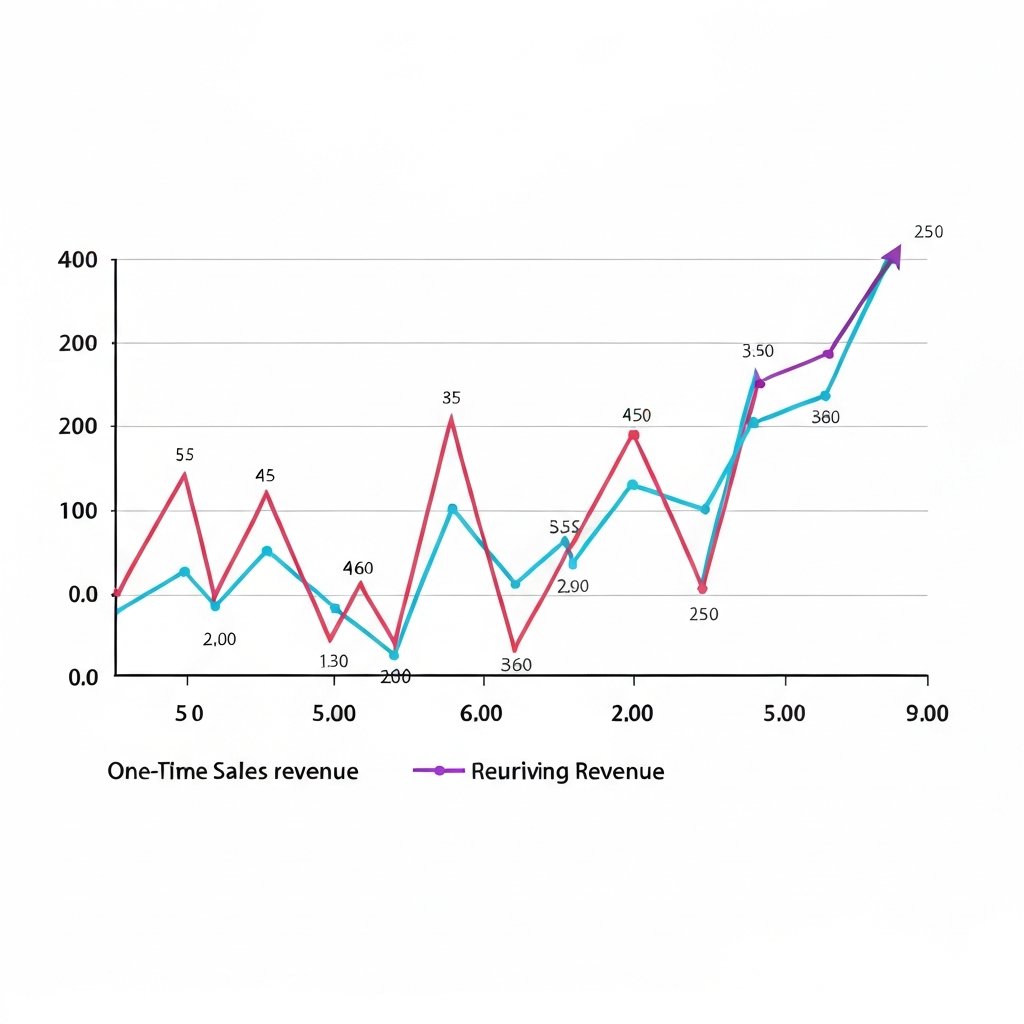
Practical recurring revenue models to consider:
- Content memberships — Premium articles, videos, or community access for $5-50/month
- Software subscriptions — Tools, templates, or apps with monthly pricing
- Retainer services — Ongoing consulting or maintenance packages
- Subscription boxes — Physical products delivered regularly (higher logistics complexity)
- Affiliate programs with recurring commissions — SaaS products often pay 20-40% monthly for the customer lifetime
The Investopedia definition of recurring revenue emphasizes predictability—and that’s exactly why investors value subscription businesses at 3-5x higher multiples than one-time revenue businesses.
Start small. Even a $9/month tier with 100 subscribers generates nearly $11,000/year in predictable income. That’s a foundation you can build on.
Frequently Asked Questions
What’s the fastest monetization model to implement?
Affiliate marketing typically requires the least setup. You can add affiliate links to existing content within hours and start earning as soon as traffic converts. That said, “fast” doesn’t mean “easy”—building traffic that actually converts still takes months of consistent effort.
How long before a monetization strategy shows real results?
Plan for 6-12 months before seeing meaningful income from most strategies. Ad revenue and affiliate income scale directly with traffic, which builds slowly. Digital products can generate faster returns if you have an existing engaged audience—even a small one.
Can you combine multiple monetization models?
You should. The most resilient online businesses use 3-5 revenue streams simultaneously. The key is sequencing—master one before adding another. Trying to launch everything at once is the fastest path to burnout and failure.
What’s the biggest mistake people make with monetization planning?
Copying someone else’s model without analyzing fit. What works for a tech reviewer won’t work for a food blogger. Your monetization plan must match your audience’s intent, economic capacity, and your operational bandwidth.
Do I need a large audience to start monetizing?
No. A highly engaged email list of 500 subscribers can outperform a social following of 50,000 passive followers. Quality of engagement matters far more than raw numbers. Focus on building trust and providing genuine value before scaling traffic.
The Bottom Line
Your monetization strategy isn’t a checkbox to complete after building an audience. It’s an architectural decision that should shape every piece of content you create from day one.
Here’s your action plan: audit your current revenue concentration, identify your audience’s actual purchasing behavior, pick one primary model that matches both, and commit to it for six months before adding complexity.
And for the love of sustainable business—don’t let any single revenue source creep above 40% of your total income. I’ve seen too many creators learn that lesson the hard way.
Now stop reading and go build something that pays.
As an Amazon Associate, I earn from qualifying purchases.