
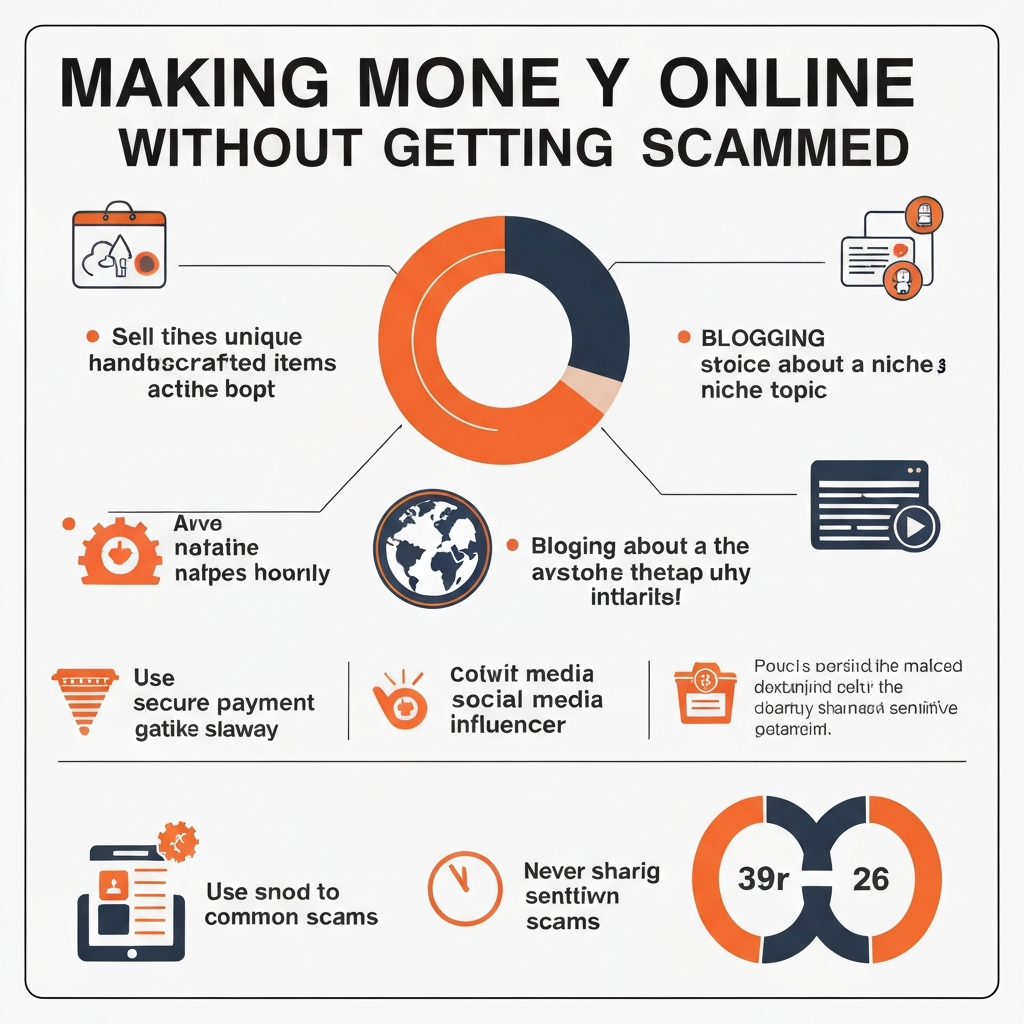
Make Money Online Without Scams: 9 Safe, Fast Paths
Let’s talk make money online like adults. If you’ve ever clicked a “secret system” and ended up in a Zoom pitch that felt like a cult tryout, you’re not alone. The problem is most “opportunities” aren’t opportunities—they’re funnels designed to separate beginners from their wallets.
Here’s the truth: making money online without getting scammed means choosing models where money flows from real value (skills, products, audience, or distribution), not from recruiting or “activation fees.” If you want the bigger picture, start with this internal map of what actually works: Make Money Online: 7 Models That Don’t Waste Time.
Table of Contents
- The Scam Filter (Read This First)
- Quick Picks: The Top Options by Speed
- 1) Freelance Services
- 2) Remote Jobs (Real Ones)
- 3) Online Tutoring & Teaching
- 4) Digital Products (Templates, Not “Courses About Courses”)
- 5) Affiliate Marketing (Done Like a Business)
- 6) Flip Stuff Online (Boring, Profitable, Repeatable)
- 7) Print-on-Demand (POD) With Real Math
- 8) Micro-Consulting & Productized Services
- 9) Content Monetization (Blog/YouTube) Without Delusion
- FAQ
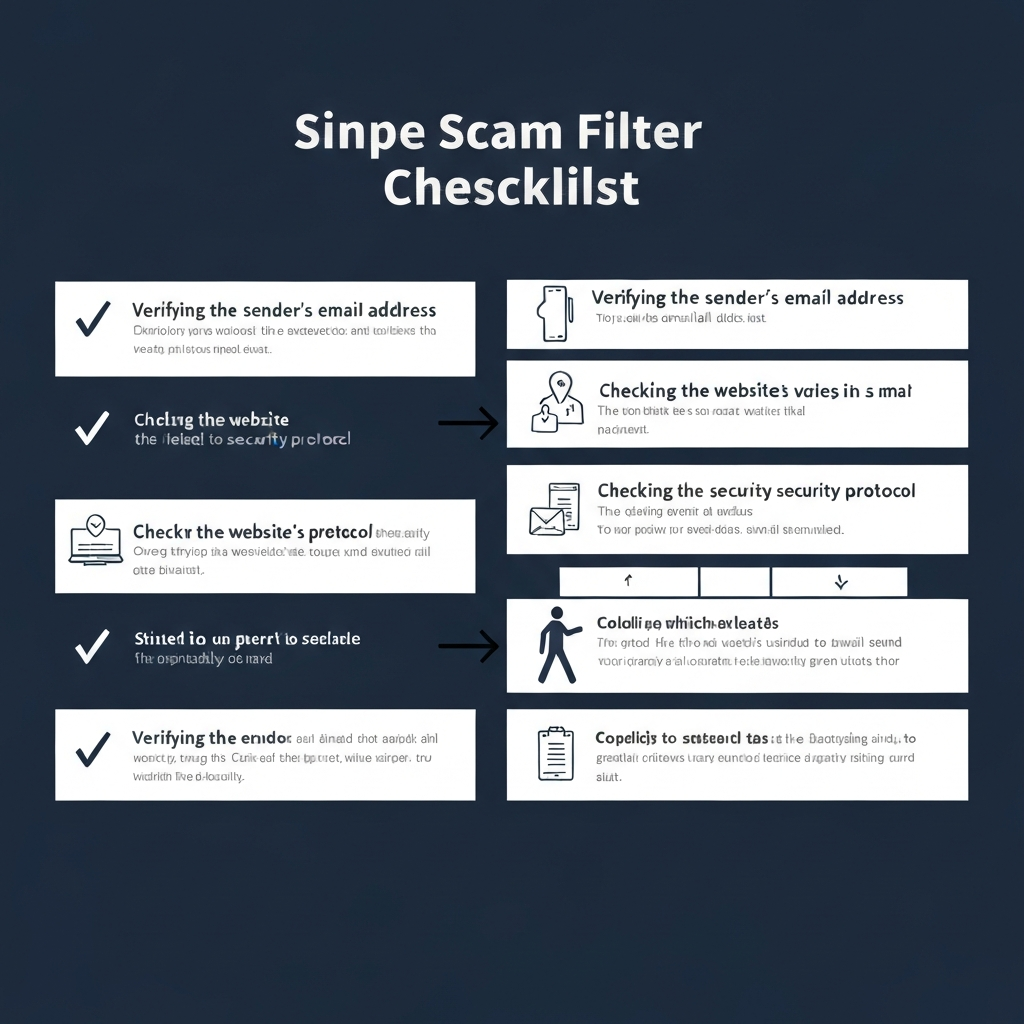
The Scam Filter (Read This First)
Top 3 safest starters: freelancing, remote jobs, and tutoring. Top 3 “slow but scalable” plays: digital products, affiliate marketing, and content monetization. If someone promises “guaranteed income” or requires you to pay to access work, treat it like a scam until proven otherwise.
Want a legit baseline for scam spotting? The FTC’s consumer guidance calls out common fraud patterns, and the FBI’s Internet Crime Complaint Center tracks online crime trends. Both are worth five minutes before you spend five dollars. Also: if you earn money, taxes exist—bookmark the IRS self-employed tax center so you don’t accidentally turn “side hustle” into “side panic.”
Quick Picks: The Top Options by Speed
- Need money this week: Freelance services, flipping, tutoring.
- Need stability: Remote jobs.
- Want scalable income: Digital products, affiliate marketing, content monetization.
1) Freelance Services (Skills = Cash Flow)
The Good: Freelancing is the cleanest “make money online for beginners” route because you trade skill for money, fast. Writing, video editing, simple web fixes, social media scheduling, Canva design, VA work—none of this requires you to be famous. It requires you to be reliable.
The Bad: Platforms can be a race to the bottom. Beginners underprice, attract bad clients, then conclude the model “doesn’t work.” Also, some “clients” are scammers fishing for free work, personal data, or off-platform payments.
The Verdict: If you want legit ways to make money online quickly, build one offer and one proof artifact. Example: “I edit 10 shorts/week for coaches” + 3 sample edits. Then pitch 20 prospects/day. Boring? Yes. Effective? Also yes.
Amazon pick (helps you deliver): A decent USB microphone makes calls and recordings sound professional even if your room looks like a storage unit.
2) Remote Jobs (Real Ones, Not “Training First”)
The Good: Remote work pays for consistency, not hype. Customer support, operations, QA testing, bookkeeping assistant, appointment setter—these roles exist because businesses hate chaos. You can earn steady income from home without building an audience.
The Bad: Remote job scams are rampant: fake checks, fake “equipment reimbursements,” and shady “interview via chat only” setups. The FTC warns about employment scams and deceptive practices broadly, and you’ll see similar patterns in online job fraud reports. Start by verifying the company domain, the recruiter email, and whether the role exists on the company’s official careers page.
The Verdict: This is the best “how to make money online from home” option if you want stability. If a “job” requires upfront payment, paid training, or moving to Telegram, you’re not getting hired—you’re getting harvested.
Amazon pick (helps you work): A basic dual-monitor setup can boost output for support, ops, or admin work.
3) Online Tutoring & Teaching (If You Can Explain, You Can Earn)
The Good: Tutoring is underrated. English conversation, math basics, test prep, music lessons, even “learn Excel without crying.” If you can break a topic down, you can sell sessions. You don’t need a PhD—just a repeatable lesson plan and patience.
The Bad: Some platforms squeeze tutors, and cancellations can wreck your schedule. Also, beginners sometimes overcomplicate: they build a “course” before they’ve sold a single session. Don’t do that.
The Verdict: Start with 1:1 sessions, build a tiny library of worksheets, then productize. This stays firmly in the “make money online without scams” lane because the exchange is simple: value delivered, payment received.
Amazon pick (helps you teach): A small ring light makes lessons clearer and more “professional,” which matters more than it should.
4) Digital Products (Templates Beat “Vision Boards”)
The Good: Digital products scale. One template can sell 100 times with near-zero marginal cost. The trick: sell outcomes. Not vibes. Think: content calendars, ad copy swipe files, Pinterest pin templates, client onboarding kits, budget spreadsheets.
The Bad: The internet is flooded with low-quality templates and “courses about selling courses.” If your product doesn’t save time, reduce confusion, or improve revenue, you’ll struggle. Also, marketplaces can change rules overnight.
The Verdict: This is a strong long-term path to make money online if you start from real pain points. Sell a template that you personally used to solve a problem. Then add upsells (bundle, mini training, done-for-you setup).
Amazon pick (helps you ship): A solid planner or project notebook sounds old-school, but it keeps production moving when motivation disappears.
5) Affiliate Marketing (Done Like a Business)
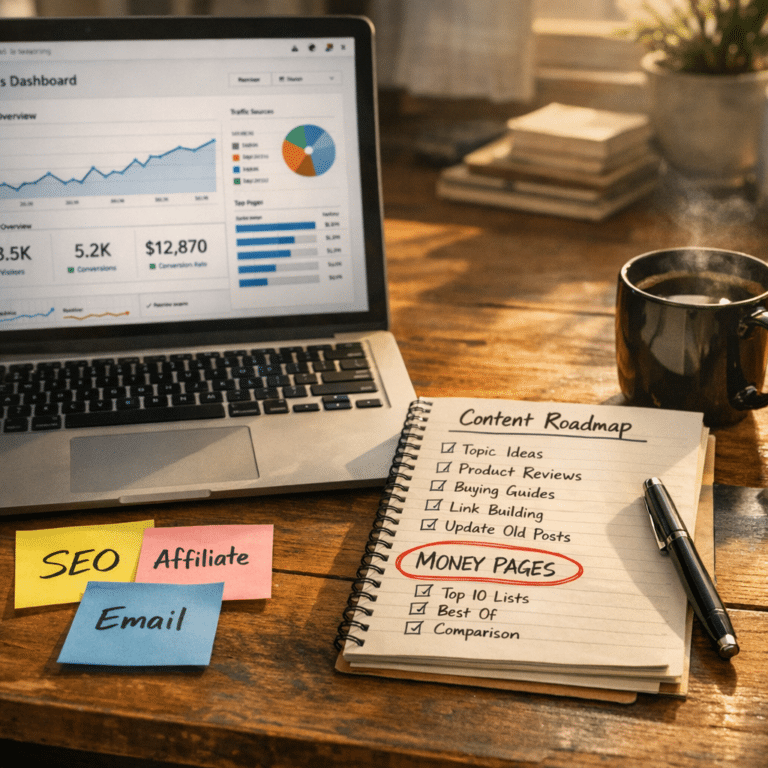
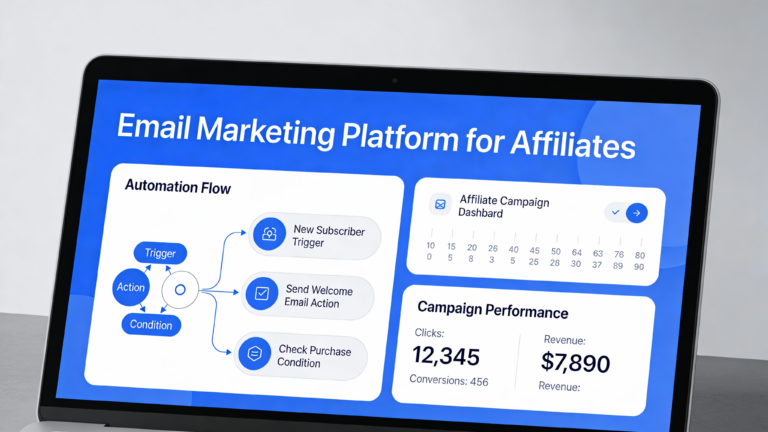
The Good: Affiliate marketing remains one of the most legit ways to make money online because you don’t need to create the product. You create the demand capture: reviews, comparisons, tutorials, and “best of” pages that match buyer intent.
The Bad: Most people do it backwards. They pick random offers, blast links, and pray. Then they get zero conversions and call it a scam. Affiliate marketing isn’t a scam; lazy strategy is the scam. Also, disclosure rules exist—don’t get cute about it.
The Verdict: If you like writing and systems, this is elite. Build a site around a niche, map keywords to pages, publish consistently, and test. Use your internal framework here: 7 Models That Don’t Waste Time. Then commit to one model for 90 days before you “pivot.”
Amazon pick (helps research & publish): A Kindle (or just Kindle books) can be a cheap way to study copywriting, SEO, and business fundamentals without doomscrolling.
6) Flip Stuff Online (Boring, Profitable, Repeatable)
The Good: Flipping is the “no influencer required” path. Buy undervalued items locally, list online, ship, repeat. It teaches pricing, negotiation, customer service, and inventory discipline. You get real-time feedback: if it doesn’t sell, your price or listing is wrong.
The Bad: It’s operational. Storage, shipping materials, returns, and platform fees can eat margins. Also, some categories bring headaches (fragile goods, counterfeit risks, high return rates).
The Verdict: If you want to make money online for beginners and you can handle logistics, this is a strong on-ramp. Start with one category you understand (electronics accessories, kitchen gear, tools), track profits per item, and stay ruthlessly selective.
Amazon pick (helps you ship): Cheap shipping supplies protect margins and reduce returns.
7) Print-on-Demand (POD) With Real Math
The Good: POD can work if you treat it like product + marketing, not like “upload 10 designs and retire.” You can validate designs fast, test niches, and iterate. The upside: no inventory. The downside: everyone else also likes “no inventory.”
The Bad: Margins often stink. Ads can torch cash. Trends expire. And if your designs are generic, you’re competing with a million “funny cat” shirts. Also, copyright violations can get you nuked. That’s not “bad luck.” That’s a business choice.
The Verdict: POD is legit, but it’s not easy money. It becomes decent when you build a brand with repeat buyers, or when you attach designs to an existing audience (TikTok, Pinterest, email). Otherwise you’ll churn.
Amazon pick (helps content creation): A simple phone tripod improves product mockups and short-form videos.
8) Micro-Consulting & Productized Services (Stop Selling Hours)
The Good: Micro-consulting pays well when you package a specific outcome: “I set up GA4 + Search Console correctly,” “I build your Pinterest pin templates,” “I create a 30-day content plan,” “I optimize your WordPress speed.” Businesses pay for certainty and speed.
The Bad: If you’re vague (“marketing consulting”), clients get skeptical, sales cycles get long, and you end up in endless proposal purgatory. Also, you need boundaries or you’ll become an on-call therapist for broken businesses.
The Verdict: This is one of the best “how to make money online from home” paths if you have any real skill. Build a one-page offer with scope, timeline, price, and deliverables. Then drive leads via outreach, content, or partnerships. For small-business fundamentals, the U.S. Small Business Administration business guide is a practical reference.
Amazon pick (helps delivery): A second webcam or simple lighting kit improves calls and perceived professionalism.
9) Content Monetization (Blog/YouTube) Without Delusion
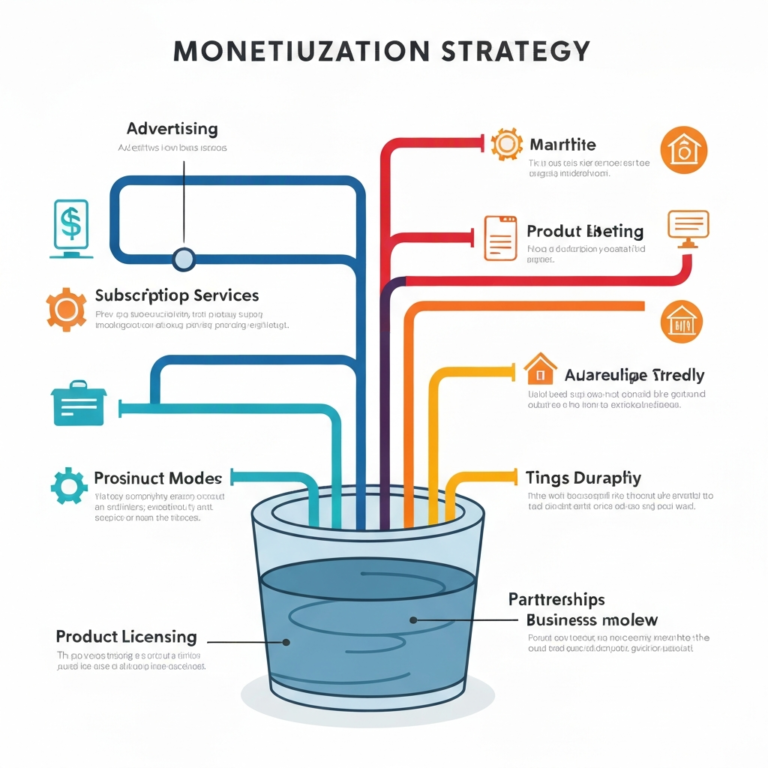
The Good: Content becomes an asset. A good article or video can earn for years through ads, affiliates, sponsorships, and products. This is the long game version of make money online. Done right, you’re building distribution you own.
The Bad: The ramp-up is slow. If you need rent money next week, content alone won’t save you. Also, people confuse “posting” with “strategy.” If you don’t target search intent or a clear audience problem, you’ll create content nobody asked for. That’s not “shadow banning.” That’s math.
The Verdict: Content monetization is elite for patient operators. Pair it with a faster model (freelance or consulting) so you can fund the build. Track results, prune what doesn’t work, and compound what does.
Amazon pick (helps production): A budget LED light panel improves video quality more than most cameras do.
FAQ
What’s the fastest legit way to make money online for beginners?
Sell a simple service. Freelancing or a productized service wins on speed because money shows up after delivery, not after “building a brand.” Pick one offer, one niche, one outreach channel, and execute daily.
How do I spot make money online without scams offers?
Use this filter: if they promise guaranteed income, hide the work, push urgency, require upfront fees to access “jobs,” or refuse to name the company/client, you’re looking at a trap. For consumer guidance, check the FTC’s scam resources: consumer.ftc.gov.
Do I need to register a business to start making money online from home?
Not always on day one, but you must track income and follow tax rules. The IRS has a straightforward self-employment hub that covers basics like estimated taxes and records: irs.gov self-employed tax center.
Is affiliate marketing still a legit way to make money online?
Yes—when you treat it like publishing + testing. Focus on buyer intent content (reviews, comparisons, “best X for Y”), match offers to intent, and measure clicks/conversions. The people who fail usually skip the work and call the model “fake.”
As an Amazon Associate, I earn from qualifying purchases.


One Comment
Comments are closed.