How to Spot Make Money Online Scams in 3 Minutes: Quick Shield
Intro: You’ve got a hunch, and it’s nagging you in the corner of your brain. A “too good to be true” promise, a slick funnel, a hero’s journey that ends with empty pockets. In three minutes, you can flip the script from excitement to caution—and save serious money. This is your vibe check and your shield, rolled into one fast, human guide.
Table of Contents
1) The Three-Minute Scan You Can Do Right Now
You don’t need a degree in cybersecurity to protect yourself. You need a heartbeat, a skeptical streak, and a concrete checklist. Start by calculating intent: who benefits, who gains, and who bears the risk. If the offer hinges on you enrolling others first, you’re in danger territory. If the site demands payment before any value proves itself, back away.
Trust Signals vs. Glitter Signals
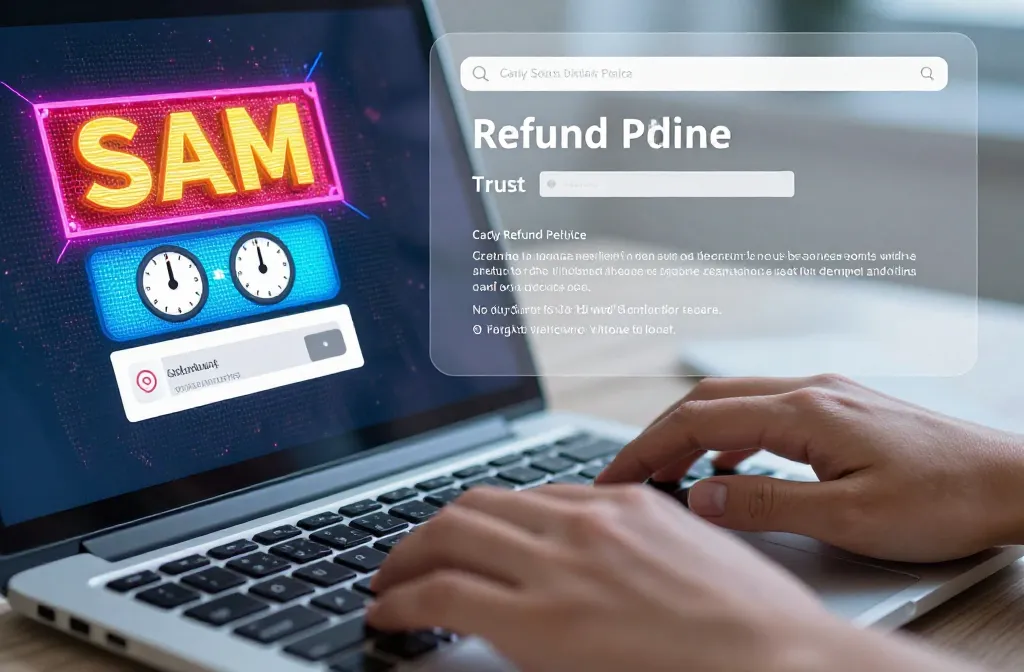
Glitter signals sparkle—the loud colors, the loud testimonials, the countdown clocks. Trust signals are quieter: transparent contact info, a clear refund policy, real company details, and verifiable references. In three minutes, you should be able to tell which is which by the cadence of the copy and the availability of proof.
Red Flag Quick Checks
- Unverifiable testimonials or stock-ish stock photos.
- Pressure to act now with “limited spots” or “exclusive access” language.
- Requests for sensitive data early, like passwords or linking financial accounts.
- Promises of guaranteed profits with minimal effort.
2) The Psychology Behind Make Money Online Scams

Scammers ride human vulnerabilities: fear of missing out, the dream of easy wealth, and the crave for social proof. They weaponize urgency and slick design to bypass reason. Your job is to slow down, name the feeling, and test the premise behind the emotion.
Urgency, Not Opportunity
Urgency can feel like a punch of energy, but it’s a trap. Real opportunities respect due diligence, not demand instantaneous commitment.
Social Proof, With a Filter
Testimonials can be forged or manipulated. Look for independent verification: dates, third-party mentions, or real customers with verifiable identities. If every quote points to the same influencer, you’re hearing a manufactured chorus.
3) The Language of Scams: What Wires Alarm Bells
Language is a tell. Scammers lean on hype, vague guarantees, and broad claims. Real deals include specifics: timelines, deliverables, risk disclosures, and a tangible path to value.
Overclaiming and Vague Guarantees
“Guaranteed to replace your job in 7 days” is not a precise plan. Real offers talk about phases, milestones, and the work involved.
Hidden Costs and Fine Print
Always read the small print. If currency of exchange is hidden behind a monthly subscription, optional add-ons with unclear benefits, or vague “administrative fees,” you’re in red flag territory.
4) Practical Checks You Can Do in 180 Seconds
Three minutes isn’t a lot, but it’s enough to do meaningful due diligence. Pair a quick online search with a few factual verifications and you’ll sleep better at night.
Domain and Contact Verification
See who owns the site and how long they’ve been around. A fresh domain, no contact address, or a contact form that never responds? Bad sign.
Red Flags in Payment Methods
Ask yourself: Are payments accepted only through untraceable platforms? If yes, that’s a vulnerability you should respect and walk away from.
News and Public Records
Check reputable sources for coverage about the company or program. If you find nothing credible, you might be looking at a ghost ship.
5) Real-Life Scenarios: Do These Sound Familiar?
You click an ad promising a “work-from-home revolution” and land in a funnel that demands you pay for a starter kit, then recruit two friends to unlock profits. The first line is flawless, the next lines push you to take action now, and the actual training is a patchwork of generic videos. You feel a vibe shift—like someone dumped a stack of borrowed belief on your shoulders. That’s your signal to stop, breathe, and reorient.
Scenario A: The “Limited Spots” Funnel
Limited spots create social pressure. They also create a false sense of exclusivity. If the promises don’t scale to real, measurable outcomes—projected benchmarks, verified case studies, or a transparent revenue model—exit the page.
Scenario B: The “Prove It” Challenge
Some scammers demand you prove you’re serious by paying a fee to access results. Real opportunities let you learn, test, and access value without paying first. If a request asks for money for “proof,” that’s a red flag.
6) Tools and Tactics To Protect Yourself Online

Protecting yourself is a habit, not a one-off move. Incorporate these small, repeatable actions into your daily routine to stay sharp and safe.
Two-Factor Checks
Enable two-factor authentication on email and finance apps. It adds a robust layer between you and potential criminals who intercept credentials.
Independent Verification Habits
Treat every “offer” like a mini case study: search for the company in business registries, read independent reviews, and verify physical addresses.
Digital Hygiene Practices
Keep software updated, use reputable ad blockers, and segregate savings from daily-use accounts. Small hygiene wins compound over time.
7) The Ethical Path: What to Do When You Suspect a Scam
You’re not a bystander here. You have the power to report, warn others, and protect the community. Document what you see, gather evidence, and push the information to credible platforms or watchdogs.
Report and Refute
Use appropriate channels to report suspicious activity. If you’ve been targeted, contact your bank and consider freezing sensitive actions until you recover.
Share Learnings, Not Just Fear
Publish what you learn with practical steps. Helping a neighbor avoid a scam is a powerful form of online activism.
8) Investor vs. Insider: Distinguishing Legit Online Income Programs

There are legitimate avenues to earn online: affiliate marketing, freelance work, and skill-based coaching. The difference lies in transparency, evidence, and honest risk disclosure. If a program promises passive, high returns with minimal effort, run the other way.
What Real Programs Look Like
They present a clear value ladder, dashboards for tracking progress, and sample outcomes with verifiable data. They also disclose potential risks and upfront costs, no smoke and mirrors.
9) Sanity Check: Quick Hallmarks of a Solid Lead Page
A trustworthy lead page usually includes a clear business identity, a defensible refund policy, and contact details. The copy should avoid relentless hype and instead present a credible path to value with real milestones.
What to Inspect on the Page
- Company name, physical address, and legitimate phone number.
- Transparent pricing with a breakdown of what you get.
- Independent reviews or case studies that aren’t tied to the seller.
10) Final Guardrails: Your Shortlist for Stay-Safe Online
If you walk away with nothing else, walk away with these guardrails: verify, verify again, and never pay for a promise. Your time and money deserve respect, not a polished trap.
FAQs
FAQ 1: How can I tell a scam is happening within minutes?
Trust your gut and the basic checks: unrealistic promises, sudden urgency, and opaque pricing. If something feels engineered to push you over the edge, it’s probably a scam.
FAQ 2: Are all high-ticket online programs scams?
No. Some high-ticket programs offer genuine training and value. The difference is transparency, verifiable outcomes, and a fair refund policy. If any of those are missing, tread carefully.
FAQ 3: What’s the quickest way to verify a company’s legitimacy?
Check business registries, look for a physical address, contact info, and independent reviews. If you can’t find credible traces, you’re probably looking at a red flag.
FAQ 4: How do I protect my credit card from scam sites?
Use virtual cards or disposable numbers where available, enable alerts, and monitor statements closely. If a site asks for unusual payment methods, back away immediately.
FAQ 5: Can I recover money after a scam?
Recovery is possible in some cases, especially if you engage quickly with your bank and report to authorities. Don’t assume it’s hopeless; act fast and document everything.
FAQ 6: What if I’ve already invested money?
Get professional advice, contact your bank to stop further charges, and gather all receipts and communications. Then locate legitimate channels to seek refunds or report fraud.
FAQ 7: How do I teach friends and family to spot scams?
Share your checklist, sketch simple red flags, and encourage everyone to ask critical questions before paying. Create a quick, shareable guide you can reference in moments of doubt.
FAQ 8: Is it ever safe to join a “make money online” community?
Communities can be helpful for legitimate collaboration, but ensure moderators are transparent, policies are clear, and members aren’t pressed to recruit others immediately.
FAQ 9: Do I need to sign up for every “free training” I see?
No. Free trainings can be part of legitimate funnels, but approach them with a plan: what value will you gain, and what are the next steps after you attend?
FAQ 10: What’s the best mindset to protect myself online?
Embrace healthy skepticism, concrete goal setting, and ongoing education. A curious, cautious mind beats a reckless impulse every time.
Products / Tools / Resources
- Financial Safety Starter Kit
- Online Scam Awareness Guide
- Digital Security Essentials
- Smart Budgeting Workbook
- Freelance Skills Bible
External references for deeper reading: Wikipedia: Scam, FTC Consumer Protection, BBC Technology Safety.