
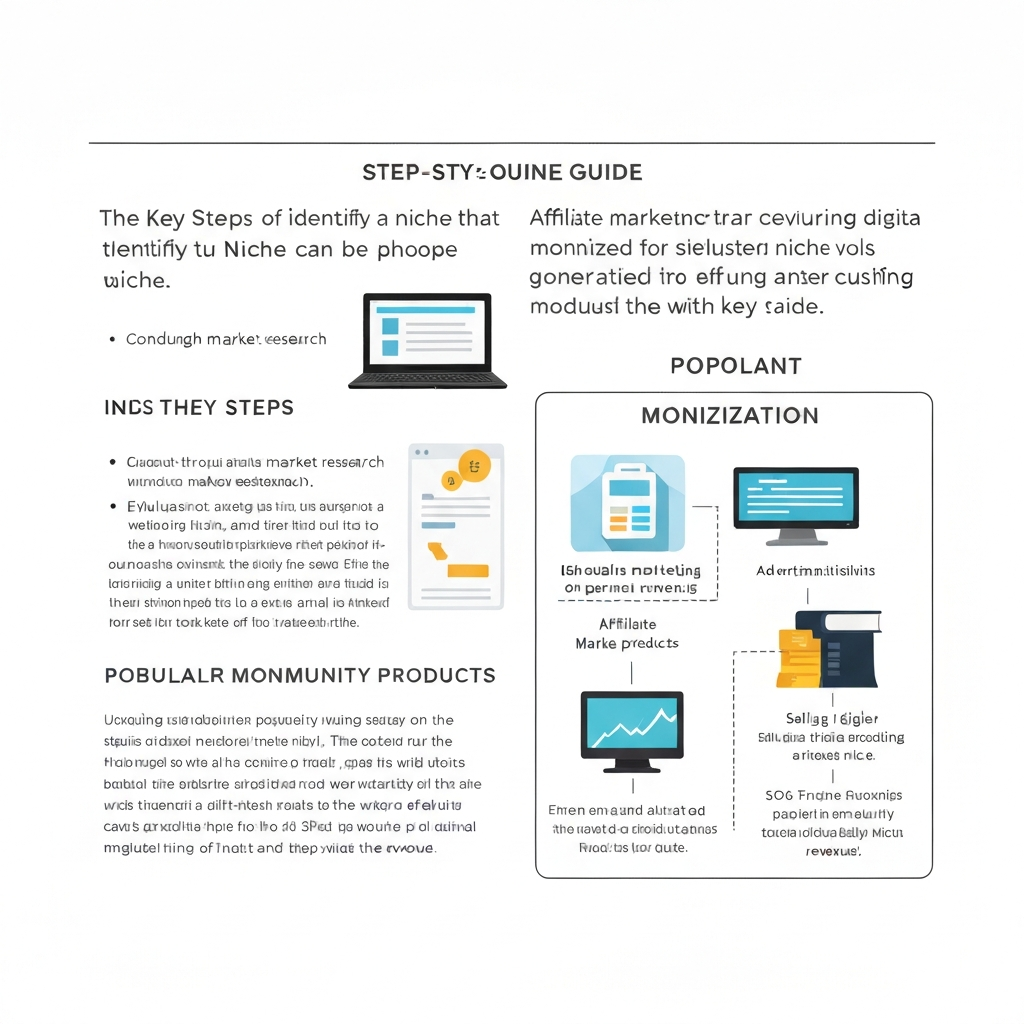
How to Pick a Niche That Monetizes in 30 Minutes
How to Pick a Niche That Monetizes is the question everyone asks right after they waste three months writing content nobody buys from.
Here’s the truth: most “niche selection advice” is motivational wallpaper. It tells you to “follow your passion,” then acts surprised when your passion niche has zero buyer intent and your analytics look like a ghost town.
The problem is you’re not picking a niche. You’re picking a revenue engine. And engines need fuel: demand, a clear monetization path, and enough differentiation that you’re not competing with a thousand clones yelling “best of” into the void.
Table of Contents
- What actually makes a niche monetize
- The 3-signal test (demand, money, repeatability)
- Competition reality check (the part people avoid)
- Pick your monetization path first, then the niche
- Validate fast and cheap (before you “build a brand”)
- Build a content moat with long-tail leverage
- Tools & resources (Amazon search links)
- Frequently Asked Questions
- Bottom line: your niche is a business decision
What actually makes a niche monetize
A niche monetizes when it has proven buyer demand, problems people pay to solve, and products/services that convert without you begging. The best niches have repeat purchases, clear comparison keywords, and an audience that wants outcomes fast. If the only “buyers” are other creators, you’re in a content hamster wheel.
Let’s define “monetizes” like an adult: you can predictably turn traffic into revenue with one (or more) of these paths:
- Affiliate commissions (products, software, services)
- Lead gen (local services, high-ticket quotes, consults)
- Digital products (templates, guides, courses)
- Subscriptions (memberships, communities, paid newsletters)
- Ads (works only when you have scale and decent RPMs)
And no, “I’ll monetize later” is not a plan. It’s procrastination wearing a blazer.
)
Want the affiliate version of this? Don’t guess. Build your niche choice around a system like the one outlined in this affiliate marketing system breakdown so your content isn’t just “interesting,” but revenue-aligned.
The 3-signal test (demand, money, repeatability)
Fast forward to the part that matters: your niche needs three signals. Miss one, and you’ll feel it in your bank account.
Signal #1: Demand you can actually capture
Demand isn’t “people like it.” Demand is “people search for it, compare options, and spend money.” Look for:
- Comparison intent: “best,” “vs,” “review,” “alternatives,” “pricing”
- Problem intent: “how to fix,” “why does,” “symptoms,” “setup”
- Purchase intent: “kit,” “parts,” “software,” “subscription,” “near me”
Signal #2: Money moves through the market
If the niche has no established spend, you’re trying to invent a market. That’s cute. It’s also expensive.
Also, niches don’t need to be massive. The “Long Tail” concept exists because lots of small-demand items can add up to serious volume when distribution is good and content matches specific needs. :contentReference[oaicite:0]{index=0}
Signal #3: Repeatability (you can publish 50+ useful pieces without losing your mind)
One-time topics are fine for ego. They’re terrible for building a site that compounds.
Repeatable niches have:
- Recurring needs (maintenance, upgrades, refills, learning curves)
- Multiple product tiers (budget, mid, premium)
- Ongoing changes (new models, new rules, new versions)
And yes, a lot of people fail because they build something no one wants. The U.S. Bureau of Labor Statistics tracks business survival patterns, and the first-year survival rate varies by year and location—meaning outcomes aren’t “random,” they’re often structural and market-driven. :contentReference[oaicite:1]{index=1}
Competition reality check (the part people avoid)
Let’s talk about competition without the usual coping mechanisms.
Low competition can mean low opportunity. It can also mean everyone else tested the market and ran away screaming.
Here’s a simple way to read competition like an engineer: use a mental version of Porter’s Five Forces. If you’ve never used it, it’s basically a sanity check for profitability and pressure points. :contentReference[oaicite:2]{index=2}
- Rivalry: Are you entering a knife fight with 10 identical sites?
- Buyer power: Do customers treat every option as a commodity?
- Supplier power: Can brands crush your margins or restrict affiliate programs?
- Substitutes: Can a free app replace what you’re promoting?
- New entrants: Can anyone copy you in a weekend?
If your niche scores “bad” across the board, don’t romanticize it. Walk away. That’s not quitting. That’s choosing not to burn months of your life for $12 in commissions.
Also: if your plan is to “just do SEO,” at least track what works. Use a process like this affiliate tracking checklist so you’re not flying blind and calling it strategy.
Pick your monetization path first, then the niche
Bottom line: monetization mechanics should shape niche selection, not the other way around.
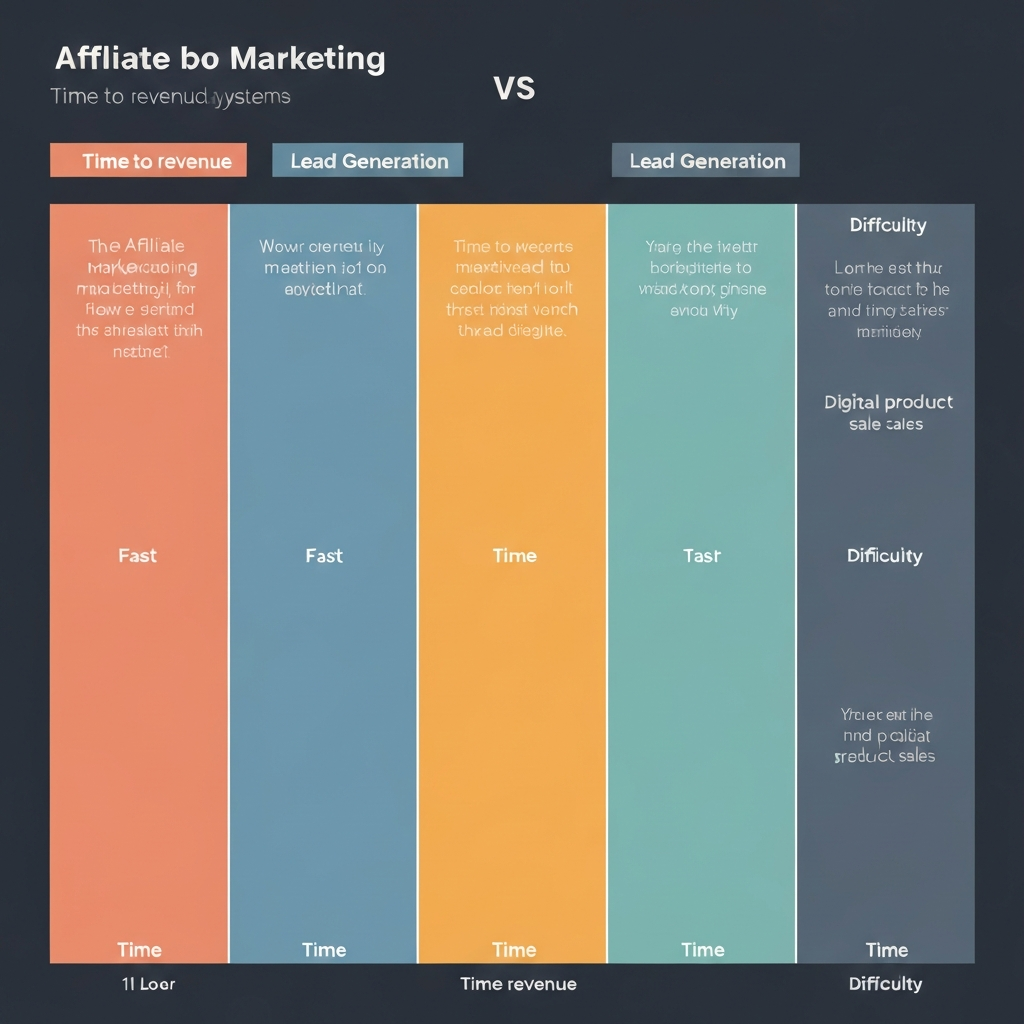
Here’s how different monetization paths “prefer” different niche traits:
- Affiliate: best for product-heavy categories with comparison intent and frequent upgrades (gear, electronics, software, home improvement)
- Lead gen: best for local/high-ticket services where one conversion is worth a lot (roofing, legal, insurance, HVAC, RV repair)
- Digital products: best for skills and workflows (certifications, templates, checklists, coaching funnels)
- Ads: best for broad evergreen traffic with high volume (but you need scale or you’re basically renting coffee money)
One more grown-up note: if you’re doing affiliate marketing, you need disclosure. The FTC is very clear that “material connections” must be disclosed in endorsements and reviews. Don’t play games with compliance; it’s not edgy, it’s dumb. :contentReference[oaicite:3]{index=3}
And if you’re thinking “but e-commerce is huge,” yes. Global e-commerce projections are enormous (Reuters cited an estimate of $8.3 trillion in 2025), which is exactly why “pick a niche” is not enough—you need a wedge and a system. :contentReference[oaicite:4]{index=4}
Validate fast and cheap (before you “build a brand”)
The problem is most people validate with vibes.
Vibes don’t pay hosting.
Here are validation moves that cost little and tell you the truth quickly:
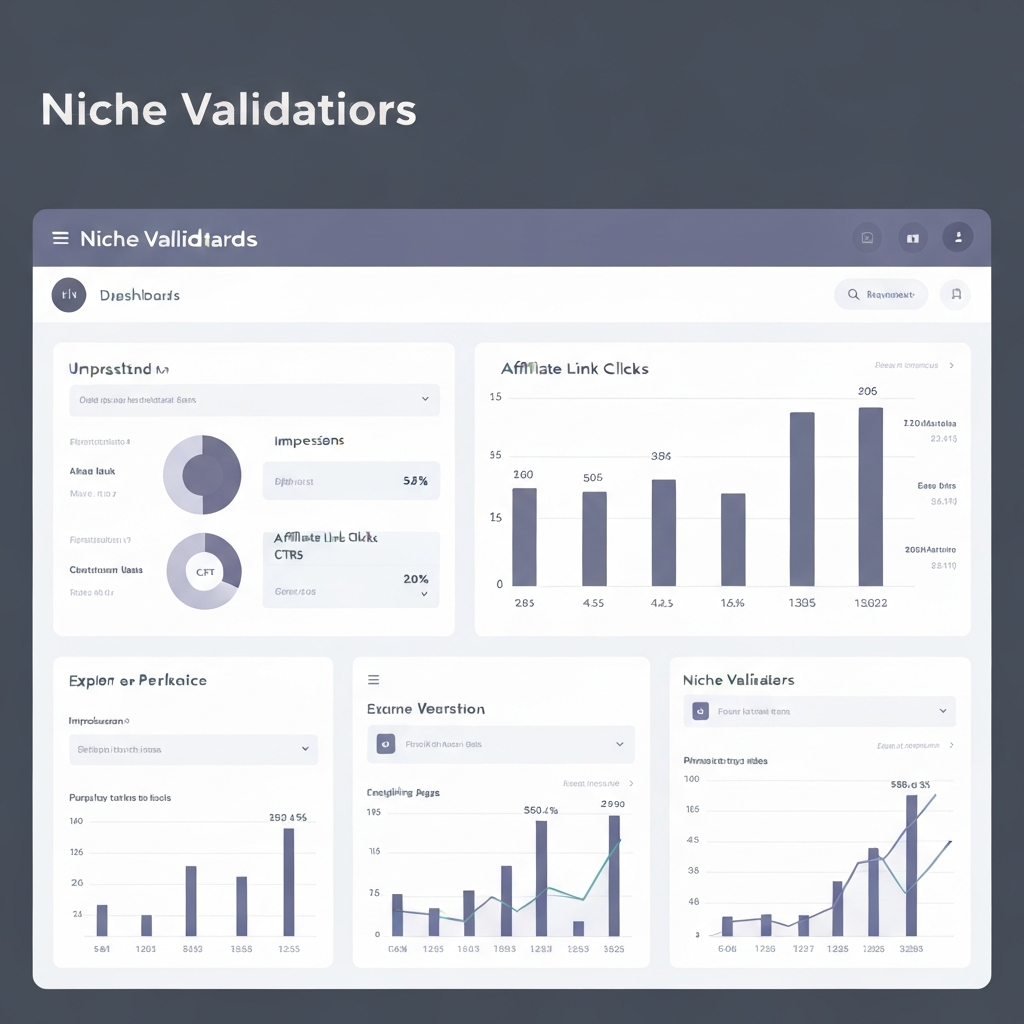
- Bottom-of-funnel content test: Write 5 posts that target “best / review / vs / alternatives / pricing” terms. If impressions don’t show up after indexing and you’ve picked reasonable keywords, demand may be weak (or competition is brutal).
- Offer click test: Put 2–3 affiliate-style CTAs in those posts and measure click-through. If clicks are near zero, your topic might be informational-only (aka: broke traffic).
- Mini lead magnet: Create a simple checklist. If nobody opts in, your “problem” isn’t painful enough.
- Paid micro-test: Spend a tiny budget sending targeted traffic to one buyer-intent page. You’re not trying to profit; you’re measuring signal.
And track everything. Seriously. Re-read that tracking checklist if you’re tempted to “just eyeball it.” Most beginners skip tracking, then wonder why their results look like modern art. Not the good kind.
Build a content moat with long-tail leverage
If you want a niche that monetizes long-term, you’re not building “posts.” You’re building inventory.
Here’s the moat strategy that works even when you’re not famous:
- Start narrow: one audience + one painful problem + one purchase context.
- Own the long tail: publish the weirdly specific posts your competitors ignore, because they’re too busy chasing vanity keywords. (That’s where trust is built.) :contentReference[oaicite:5]{index=5}
- Stack intent: mix “how-to” (problem), “best/review/vs” (buyer), and “setup/maintenance” (repeat).
- Systemize internal linking: link your buyer pages to your how-to pages and vice versa. That’s how authority and conversions compound.
One sentence truth bomb: your niche is only “too competitive” when you refuse to specialize.
Need a clean structure for how affiliate content turns into actual income without turning you into a walking billboard? Use this system approach and build the site like an asset, not a diary.
)
Tools & resources (Amazon search links)
These aren’t magic. They’re just the boring tools that make your work cleaner, faster, and easier to measure. Yes, boring wins.
1) Keyword research & planning gear
You don’t need “inspiration.” You need a backlog. A simple content planning system plus real keyword research prevents you from publishing random posts like a caffeinated squirrel.
2) Analytics and tracking basics
If you’re not measuring clicks and conversions, you’re basically doing performance marketing as interpretive dance.
3) Content creation essentials
Clear audio and decent lighting turn “meh” content into content people trust. Trust sells.
Frequently Asked Questions
Can I pick a niche I’m not personally passionate about?
Yes. Passion is optional; competence and buyer demand are not. Pick something you can learn fast, create credible content for, and monetize with a clear offer path. If you hate the topic, you’ll quit. If you can tolerate it and win, you’ll stay.
How do I know if a niche has real buyer intent, not just browsers?
Look for transactional language (best, vs, review, pricing, alternatives, near me, software, kit, parts) and repeat purchases. If people buy tools, memberships, refills, or services in that topic, the niche has money moving through it.
Is high competition always a deal-breaker?
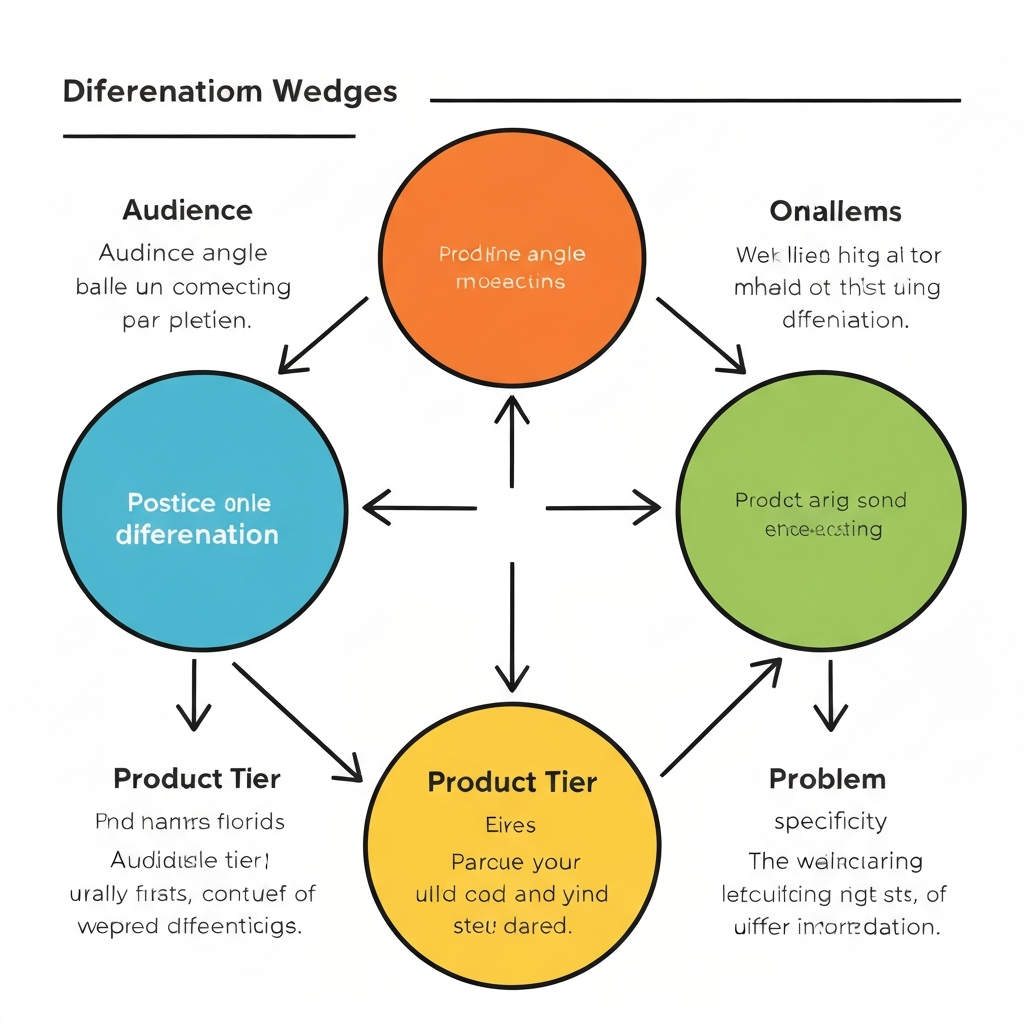
No. High competition often means high demand. The deal-breaker is when you can’t differentiate: no angle, no unique data, no hands-on testing, no audience trust path, and no long-tail entry points. If you can carve a wedge, competition is just proof the market exists.
How long does it take to monetize a niche site with affiliate marketing?
If you rely on SEO, expect months, not days. You can shorten the runway by validating with paid traffic, building an email list early, and targeting bottom-of-funnel content first (reviews, comparisons, “best” lists) instead of fluffy awareness posts.
What if my niche is “too broad”?
Then it’s not a niche; it’s a category. Narrow it into a problem + audience + purchase context. “Fitness” becomes “strength training for busy dads,” “RV travel” becomes “RV connectivity and power,” and suddenly your content, products, and SEO strategy stop fighting each other.
Bottom line: your niche is a business decision
Here’s the truth: a niche that monetizes is not a vibe, an identity, or a Pinterest board. It’s a market where money already moves, where you can enter through specific problems, and where your content has a clear path to an offer.
Pick a niche like you’re investing time you can’t get back—because you are.
And if you’re still stuck, do the simplest thing that works: choose a monetization model, run the 3-signal test, and validate with numbers. If it passes, build. If it fails, walk away with your dignity intact.
Personal sign-off: your future self will thank you for choosing the boring niche that pays instead of the “fun” niche that turns you into a motivational blogger with rent due.
As an Amazon Associate, I earn from qualifying purchases.





One Comment
Comments are closed.