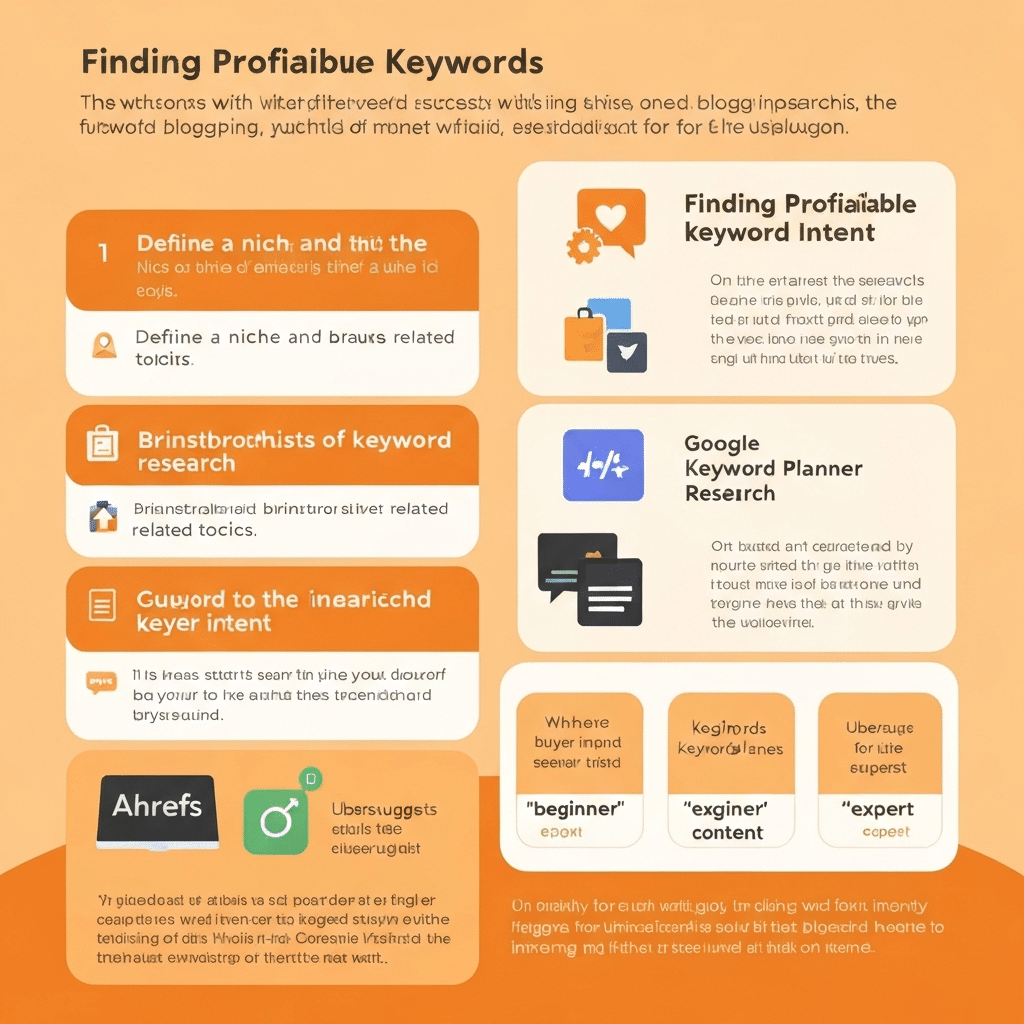
Blogging for Profit Keyword Research: Steal Buyer Intent
Blogging for profit keyword research isn’t hard. The problem is most people chase “traffic keywords” and then act shocked when the money doesn’t show up. Here’s the truth: if you want revenue, you need buyer intent keywords, clean keyword mapping, and a ruthless filter for low competition keywords that still pay.
Fast forward to your next “why can’t I convert?” moment: the answer usually isn’t your theme, your font, or your “brand vibe.” It’s that your keywords don’t match what the searcher wants to do next. Let’s fix that.
Table of Contents
- The Fast Filter: What Counts as a “Buyer” Keyword?
- The List: 8 Methods to Find Buyer Keywords Fast
- 1) Intent Modifiers Filter (The Buyer Words)
- 2) SERP Reality Check (Google Tells You the Intent)
- 3) Competitor Money-Page Mining (Steal the Map, Not the Content)
- 4) Google Search Console Harvest (Free Buyer Data You Already Own)
- 5) Keyword Planner + CPC Proxy (When You Need Proof)
- 6) Long-Tail Clusters (Low Competition Keywords That Actually Convert)
- 7) Keyword Mapping Sheet (Stop Cannibalizing Yourself)
- 8) Conversion-First Content Match (Keywords That Convert)
- A 20-Minute Workflow You Can Repeat Daily
- FAQ: Buyer Keywords, Competition, and Mapping
The Fast Filter: What Counts as a “Buyer” Keyword?
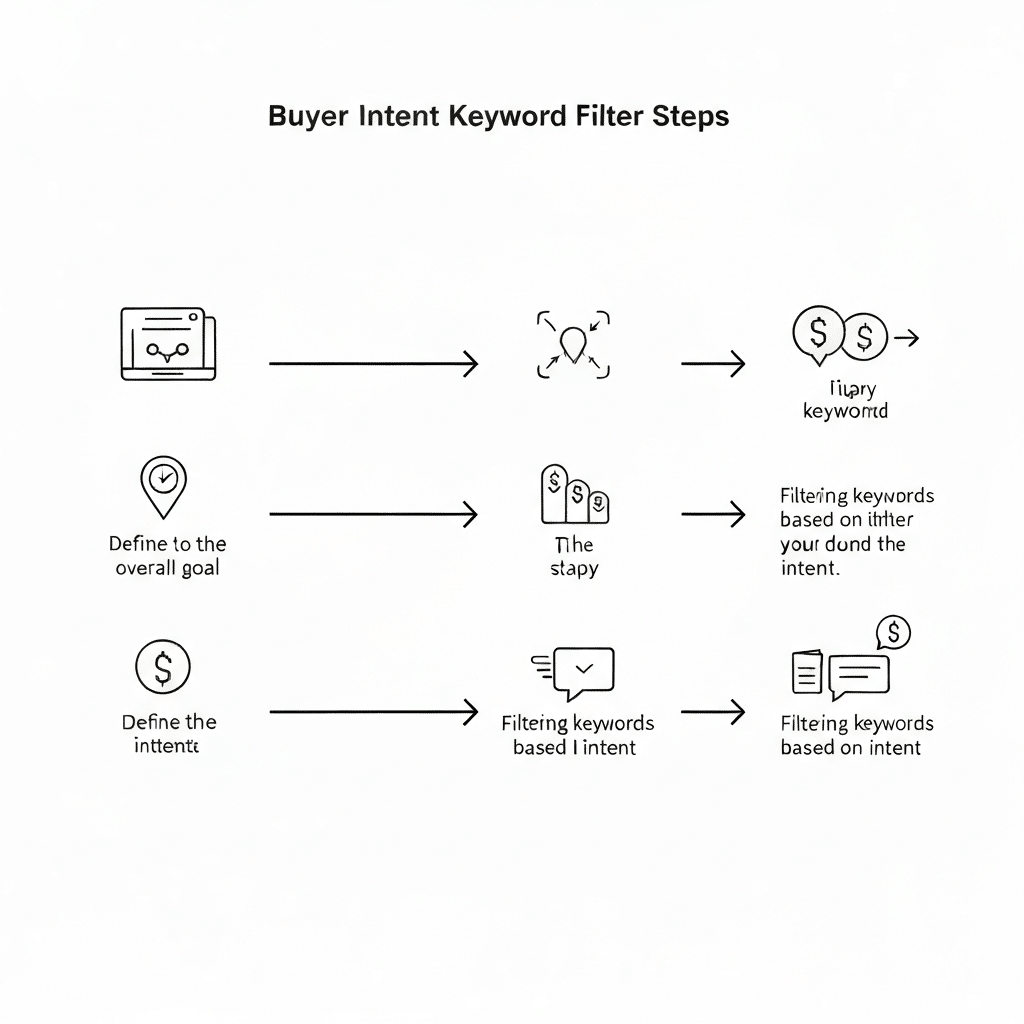
Bottom line: the fastest path is (1) collect intent modifiers (best, vs, review, pricing, alternatives), (2) confirm intent by checking the SERP page types, and (3) map each keyword cluster to one URL. The top 3 methods: modifiers, SERP check, and competitor mining.
Search intent is the spine of this whole game. Plenty of reputable SEO frameworks bucket intent into informational, navigational, commercial, and transactional. If you’re serious about monetization, you live in commercial + transactional most of the time. (If you want the formal breakdown, see Search Engine Land’s guide on intent and the supporting university resources that teach the same taxonomy.)
Helpful references: Search Engine Land: Search Intent Guide | Iowa State University: Basics of Keyword Research | UC Davis: Keyword Guide | Search Engine Journal: Buyer Intent Keywords
The List: 8 Methods to Find Buyer Keywords Fast
1) Intent Modifiers Filter (The Buyer Words)
The Good: This is the cleanest shortcut. Add modifiers that scream “I’m deciding” or “I’m buying” to your seed terms. Examples: best, vs, review, pricing, discount, coupon, alternative, for beginners, for [use case]. You’ll surface buyer intent keywords without praying for inspiration.
The Bad: Modifiers can produce junk if your seed term is too broad (“blogging” + “best” = chaos). Also, some “review” SERPs are dominated by big publishers and affiliates with strong brands.
The Verdict: Use modifiers first, always. Then narrow with context: “blogging for profit keyword research tools” beats “keyword research tools.”
Amazon pick (optional but useful): a dedicated planning notebook keeps your clusters, intent notes, and mapping decisions from turning into a random mess.
2) SERP Reality Check (Google Tells You the Intent)
The Good: You don’t “guess” intent. You confirm it. Open the SERP and ask: what page types are ranking? If you see tool lists, comparisons, product pages, and buyer guides, you’ve got commercial/transactional intent. Search Engine Land’s intent guide lays out these intent buckets clearly, and the university SEO guides echo the same idea: match the query to what the searcher wants to do next.
The Bad: It’s manual. And some SERPs are mixed (Google sometimes blends informational + commercial). That’s not a deal-breaker, it just means you need a tighter angle.
The Verdict: SERP check is non-negotiable. If your content type doesn’t match the SERP, you’re building a page that Google won’t rank—or readers won’t buy from.
Amazon pick: A “practical SEO” reference book helps when you’re building repeatable systems and training a VA later.
3) Competitor Money-Page Mining (Steal the Map, Not the Content)
The Good: Find 3–5 sites that already monetize your niche. Then reverse-engineer their money pages: “best X,” “X alternatives,” “X vs Y,” “X review,” “X pricing.” Those are keywords that convert because someone already built revenue pages around them.
The Bad: If you only copy competitor targets, you’ll stay average. Also, big sites can rank with mediocre targeting because they have authority. You don’t. You need narrower low competition keywords with the same buyer intent.
The Verdict: Great for speed. Use it to generate a candidate list, then specialize: add audience + use case + constraint (budget, beginner, 2026, small site, WordPress).
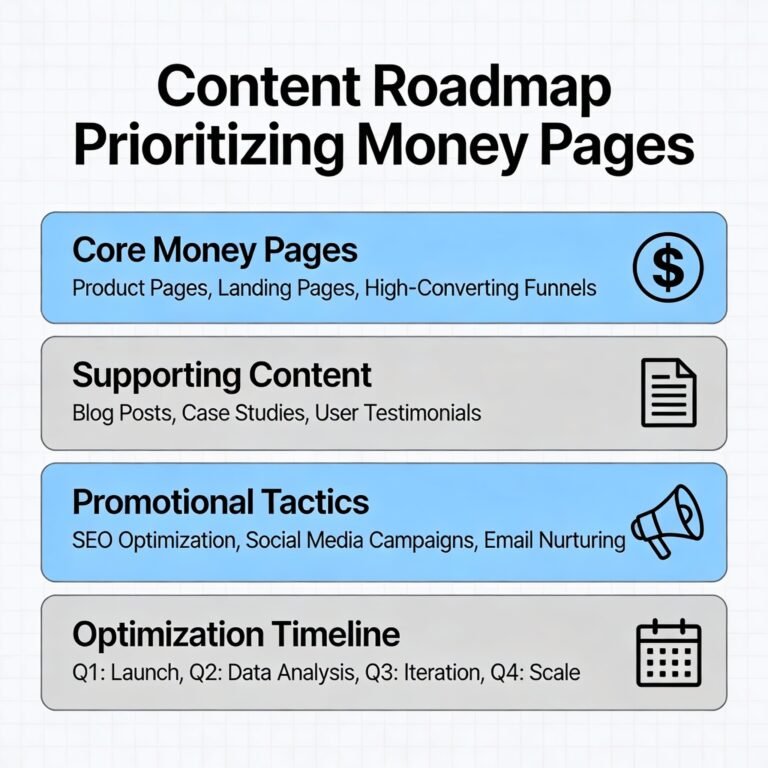
Want the bigger architecture? Tie this to your monetization plan and internal linking. If you haven’t built your money-page first roadmap, start here: Content Roadmap That Prioritizes Money Pages.
Amazon pick: A second screen makes competitor mining and SERP checks 2x faster (yes, it matters).
4) Google Search Console Harvest (Free Buyer Data You Already Own)
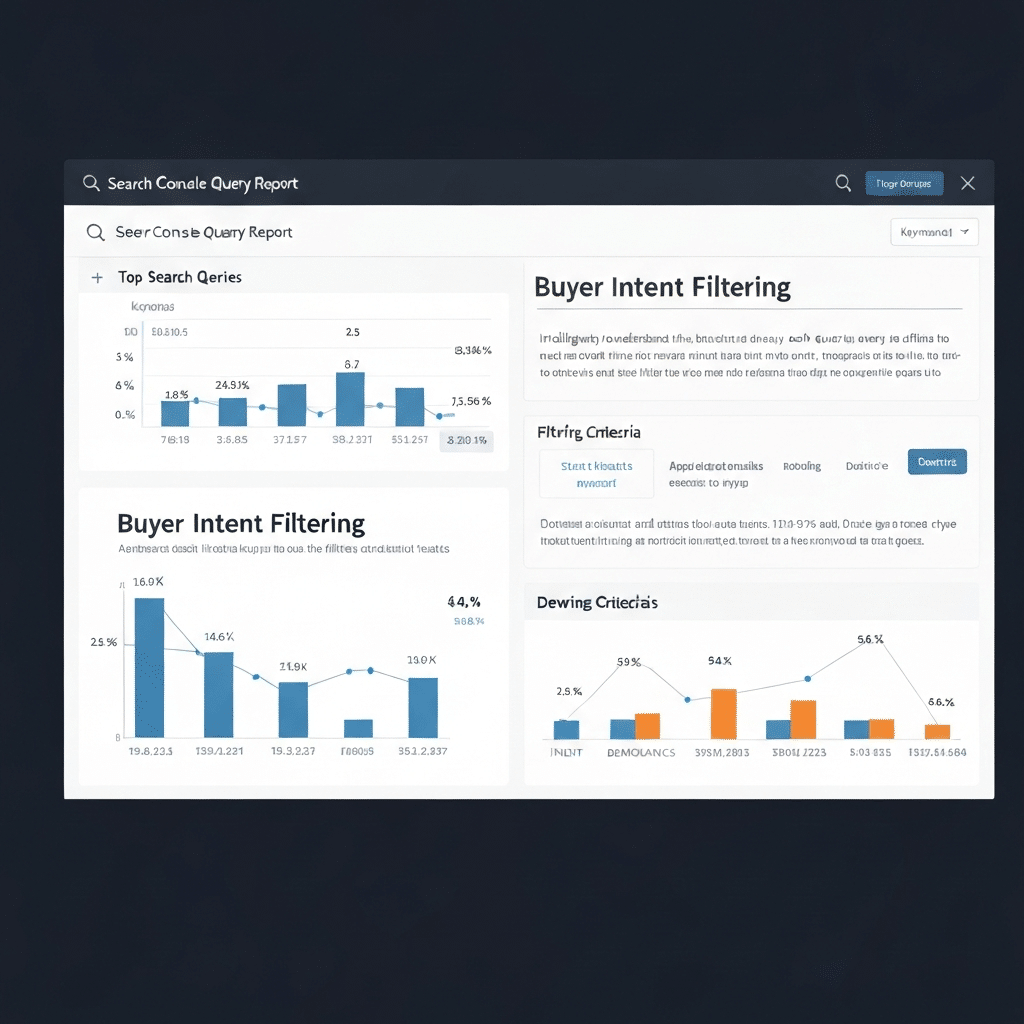
The Good: If your site has any traction at all, Search Console is a goldmine for buyer-intent expansions. Pull queries that already get impressions and clicks, then look for commercial patterns: “best,” “review,” “pricing,” “alternatives,” “tools,” “software,” “cheap,” “for beginners.” These are keywords that convert because Google already associates your site with the topic.
The Bad: New sites won’t have much data. Also, GSC hides a lot of long-tail queries (“other”) and data can be sampled/limited.
The Verdict: Once you have data, this becomes one of the fastest, safest ways to find low competition keywords—because you’re building on what’s already working.
Need the bigger “make money, not just traffic” blueprint? Link your research to this: Build a Blog That Actually Makes Money.
Amazon pick: A simple desk setup upgrade improves consistency (which beats “motivation” every time).
5) Keyword Planner + CPC Proxy (When You Need Proof)
The Good: CPC isn’t a perfect “buyer” signal, but it’s a decent proxy when you’re stuck. If advertisers pay for clicks, there’s usually money on the other end. Use Keyword Planner to expand your seeds, then sort by intent modifiers and sanity-check with the SERP.
The Bad: CPC can be inflated in some niches, and it doesn’t guarantee organic conversion. Some “high CPC” SERPs are brutal for small sites. Also, Keyword Planner loves lumping similar terms together.
The Verdict: Use CPC as a tie-breaker, not as your north star. The SERP page type still wins.
Amazon pick: A dedicated “content ops” whiteboard helps you keep the pipeline visible when you’re juggling clusters, briefs, and publishing.
6) Long-Tail Clusters (Low Competition Keywords That Actually Convert)
The Good: Long-tail doesn’t mean “low value.” It often means “high specificity,” which converts. Pattern formula: [best/tool/method] + [for who] + [constraint] + [use case]. Example: “best keyword mapping template for affiliate blogs” beats “keyword mapping.” You’re matching intent and reducing competition at the same time.
The Bad: Long-tail can be too small if you go microscopic. If the query is so narrow nobody searches it, it won’t move the needle. Also, some tools underreport long-tail volume.
The Verdict: Build clusters: one primary buyer page + 4–8 supporting pages that answer sub-questions and push internal links into the money page. This is how you scale without fighting giants.
Amazon pick: If you batch content, a basic audio setup can make quick screen recordings and content briefs painless (and shareable with a VA).
7) Keyword Mapping Sheet (Stop Cannibalizing Yourself)
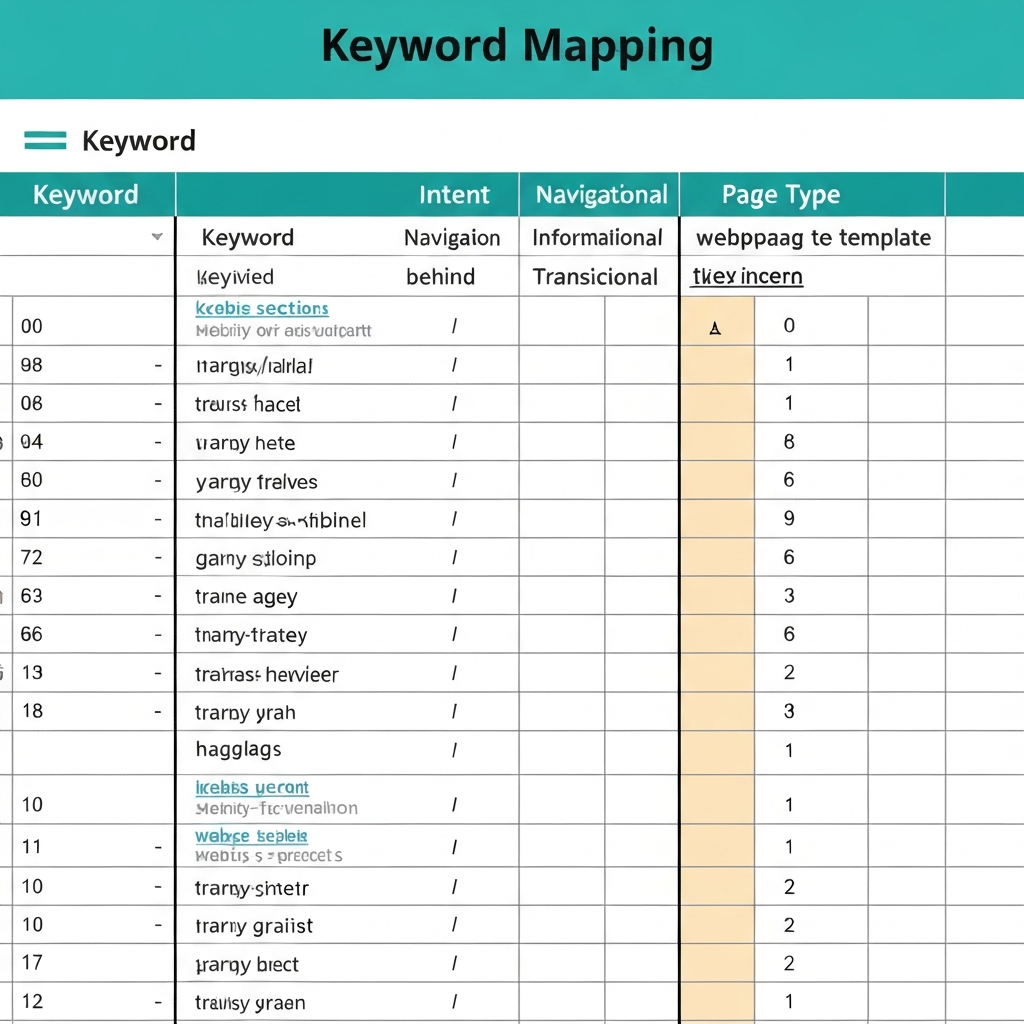
The Good: Keyword mapping is where strategy turns into execution. One URL owns one intent cluster. That’s it. Your sheet should include: target keyword, intent type, page type (review, comparison, tools list, guide), primary CTA, internal links in/out, and publish status. This prevents keyword cannibalization and makes updates easy.
The Bad: People overcomplicate it with 37 columns and then never use it. Also, mapping is only valuable if you actually follow it (meaning you don’t publish duplicates because you forgot what you already wrote).
The Verdict: If you want a site that scales, you need mapping. It’s boring. It’s also how you stop wasting months.
Want a structured rollout plan that forces mapping (and avoids random posting)? Use this: The Smart 30-Day Profit Sprint.
Amazon pick: A solid laptop stand + posture setup keeps you shipping work instead of collecting neck pain.
8) Conversion-First Content Match (Keywords That Convert)
The Good: This is the final filter: match keyword → page type → CTA. If the keyword is “best,” the page should compare options. If it’s “review,” it should evaluate one thing and answer objections. If it’s “alternatives,” you need a comparison frame and a reason to switch. Conversion comes from alignment, not from clever writing.
The Bad: This method exposes uncomfortable truths. Like: you might need to rewrite your “informational” post into a commercial page. Or split one mega-guide into a hub + money page + supporting posts.
The Verdict: This is how you turn blogging into a business asset. If your keyword mapping doesn’t specify a page type and CTA, you’re guessing.
Amazon pick: A simple ring light helps if you do quick video explainers for your posts (and yes, those can increase trust and conversions).
A 20-Minute Workflow You Can Repeat Daily
- Minute 1–3: Pick one seed topic tied to monetization (tool, template, course, service, affiliate category).
- Minute 4–7: Add intent modifiers and generate a list of 20–40 query variations.
- Minute 8–12: SERP check: confirm page types and identify what “wins” on page one.
- Minute 13–16: Cluster: group variations into one core page + supporting subtopics.
- Minute 17–20: Map the cluster to a URL, choose the CTA, and add internal links to your money page.
Bottom line: If you do this daily for two weeks, you’ll stop “wondering what to write.” You’ll have a pipeline of buyer intent keywords, a practical list of low competition keywords, and a keyword mapping plan that prevents chaos.
FAQ: Buyer Keywords, Competition, and Mapping
How do I know if a keyword has buyer intent?
Start with modifiers, then verify with the SERP. If rankings are dominated by comparisons, reviews, pricing pages, tools lists, and buyer guides, you’re in buyer territory. If it’s mostly definitions and beginner explainers, it’s informational (still useful, but not the revenue driver).
What’s the best way to find low competition keywords fast?
Narrow the query with context (audience, use case, constraints) and build clusters. You’re not trying to “win SEO.” You’re trying to win a specific slice of intent that converts.
How detailed should keyword mapping be?
Detailed enough to prevent duplicates and confusion. Minimum columns: keyword cluster, intent, page type, URL, primary CTA, internal links. If you can hand it to a VA and they can execute, your mapping is good.
Do I need paid tools?
No. The strategy works with free tools and SERP checks. Paid tools simply speed up competitor mining and clustering—useful once you’ve proven you can publish consistently and monetize.
As an Amazon Associate, I earn from qualifying purchases.