
Best Online Side Hustles for No Experience: Start Smart
Best online side hustles for no experience sounds like clickbait… until you realize most “experience” is just reps and a decent system. The real problem? You want extra income, but every option feels either scammy, too technical, or painfully slow. That frustration is valid. So here’s the fix: pick one simple, sellable outcome, ship it fast, and improve while getting paid. IMO, that’s the only sane path.
Table of Contents
- Quick Answer: What to start with (and why)
- The “Skill Loop” rule that makes beginners win
- 9 easiest online side hustles (ranked)
- Beginner stack: tools + workflows that reduce failure
- Scam filters, legal basics, and not being “that guy”
- Pro Recommendation (ClickBank): when you want to scale
- Your 7-day launch plan (copy/paste)
- FAQ
- My Top Recommended Gear
Quick Answer: What to start with (and why)
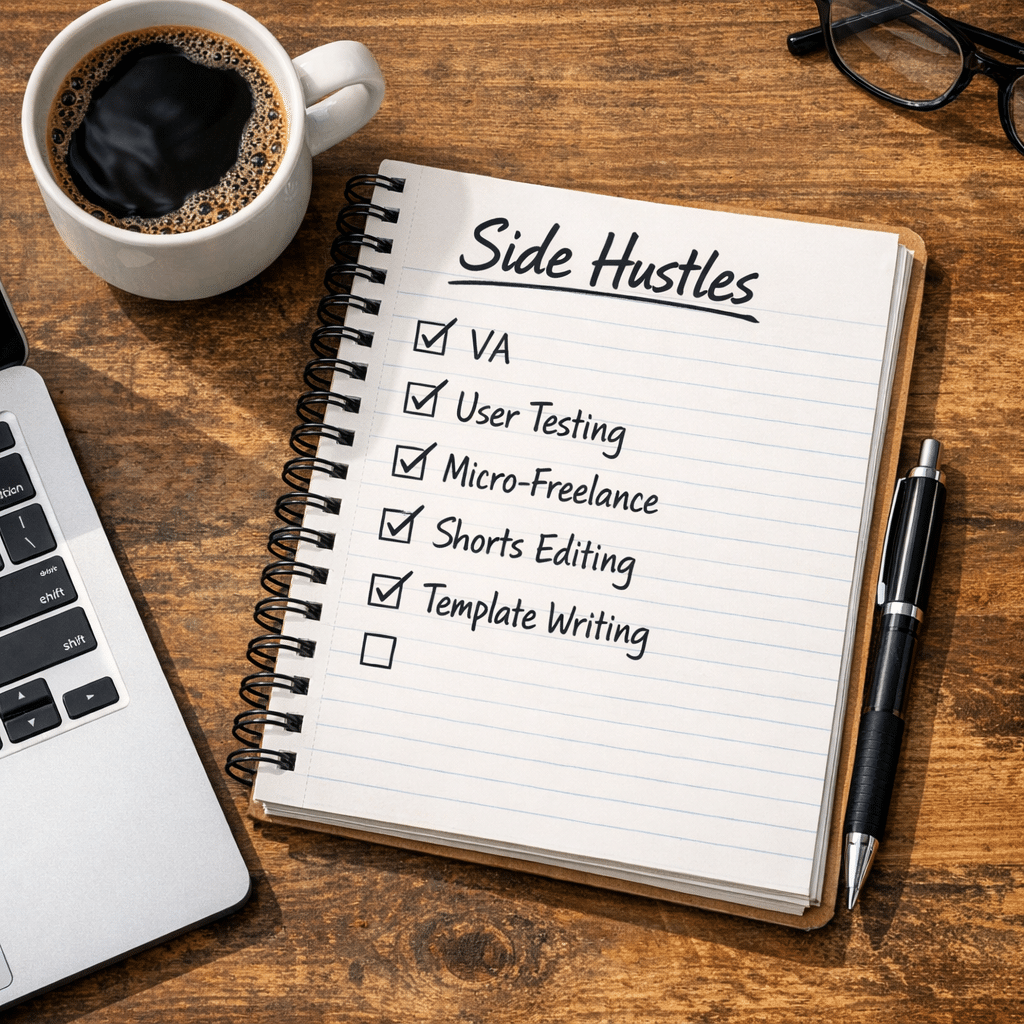
Answer Target: The best online side hustles for no experience are the ones with a short skill ramp and fast proof: micro-services (simple design, short edits, basic VA tasks), user testing, and template-based content work. Start by selling one tiny outcome to one tiny audience, then improve after you get paid. That’s the game.
The “Skill Loop” rule that makes beginners win
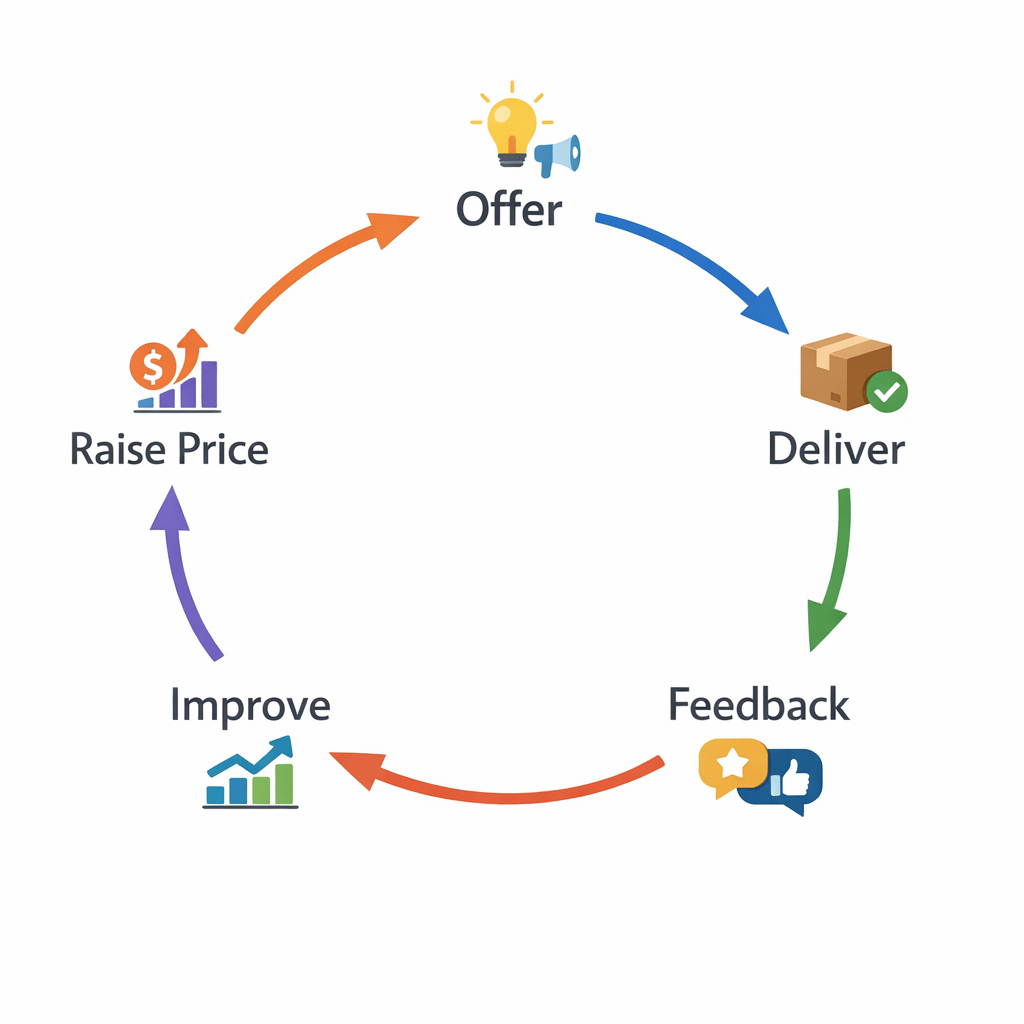
Most beginners fail because they pick a hustle that requires months of learning before anyone pays them. That’s backwards. I use a simple rule: choose a hustle where you can complete a paid task, get feedback, and improve inside a week. That loop builds confidence and competence at the same time.
Here’s the myth I love crushing: “I need credentials.” No. You need a deliverable. In freelancing, clients buy outcomes, not your origin story. (If you want proof that independent work is a real labor market segment, see the U.S. Bureau of Labor Statistics coverage of independent contractors and alternative work arrangements.)
So think in outcomes:
- Before: messy inbox + missed follow-ups → After: a tidy, labeled inbox and a weekly follow-up list
- Before: boring TikTok clips → After: 10 punchy shorts with hooks + captions
- Before: ugly product listing → After: clean images + bullet points that sell
9 easiest online side hustles (ranked)
1) Micro-freelancing (sell tiny services, not big projects)
This is the king of beginner freelancing side hustles because you can start small and still look professional. Don’t sell “I’ll help with social media.” Sell “I’ll write 10 captions from your product page.”
- What you do: small deliverables (captions, thumbnails, basic edits, simple Canva designs)
- Advanced tactic: productize it: 1 offer, 3 tiers, fixed turnaround
- Myth-bust: portfolios matter less than a clear sample and fast response time
2) Virtual assistant (VA) work with a specialty
VA work pays more when you pick a lane: inbox cleanup, calendar booking, lead list building, simple CRM updates. Avoid “general VA” unless you like being underpaid forever.
If you want a fast-start checklist, my internal guide lays out the exact first steps: Side Hustles for Beginners: Get Paid in 7 Days.
3) User testing + product research
Companies pay for feedback because bad UX costs real money. This is one of the easiest online side hustles because you don’t need a “skill,” you need clear communication. Be specific, be honest, and don’t ramble.
4) Short-form video clipping (beginner-friendly editing)
Everyone wants shorts. Few want to edit them. Start with basic clipping, captions, and hooks. Your edge is speed and consistency. Use a simple format: hook in first 2 seconds, captioned punchline, and a CTA that doesn’t feel desperate.
5) Template-based writing (blogs, emails, listings)
Don’t start by writing “thought leadership.” Start by writing predictable assets: FAQ sections, product descriptions, outreach emails, and newsletter blurbs. You can learn the patterns fast. (For background on freelancing as a work model, see Wikipedia’s overview of freelancing.)
6) Affiliate content (slow burn, real upside)
Affiliate marketing can be great for online side hustles for beginners, but it’s not instant ramen. You need traffic. If you’re starting from zero, combine it with a service hustle so you don’t quit early. The trap is expecting sales without distribution.
7) Print-on-demand design (simple designs win)
Myth: you need to be a designer. Reality: simple, clear, niche-specific designs sell. Your job is audience research, not Picasso mode. Start with one niche (teachers, nurses, RV owners, gym humor) and test.
8) Spreadsheet + Notion setup gigs
People pay for organization. If you can build a basic budget tracker, content calendar, or client pipeline, you can sell setups + a 15-minute walkthrough. This is wildly underrated.
9) AI-assisted “ops cleanup” for small businesses
This is beginner-friendly if you keep it narrow: SOP drafts, email template packs, FAQ rewrites, and content repurposing. You’re not selling “AI.” You’re selling less chaos. Want a sanity check? Ask: “Does this save them time this week?” If yes, it sells.
Beginner stack: tools + workflows that reduce failure
Tools don’t make you money. They reduce friction. That’s the point. Your beginner stack should do three things: capture leads, deliver work fast, and get paid with minimal drama.
- Lead capture: a simple one-page offer (even a Google Doc works)
- Proof: 2–3 samples in a folder (before/after beats “portfolio site”)
- Delivery: a repeatable checklist so you don’t improvise every job
- Payment: invoice + clear scope + 50% upfront for projects
Here’s my favorite advanced tactic: use a “3-Asset Funnel.” You only need (1) an offer sheet, (2) a sample pack, and (3) a one-message pitch. That’s it. Everything else is optional.
Scam filters, legal basics, and not being “that guy”
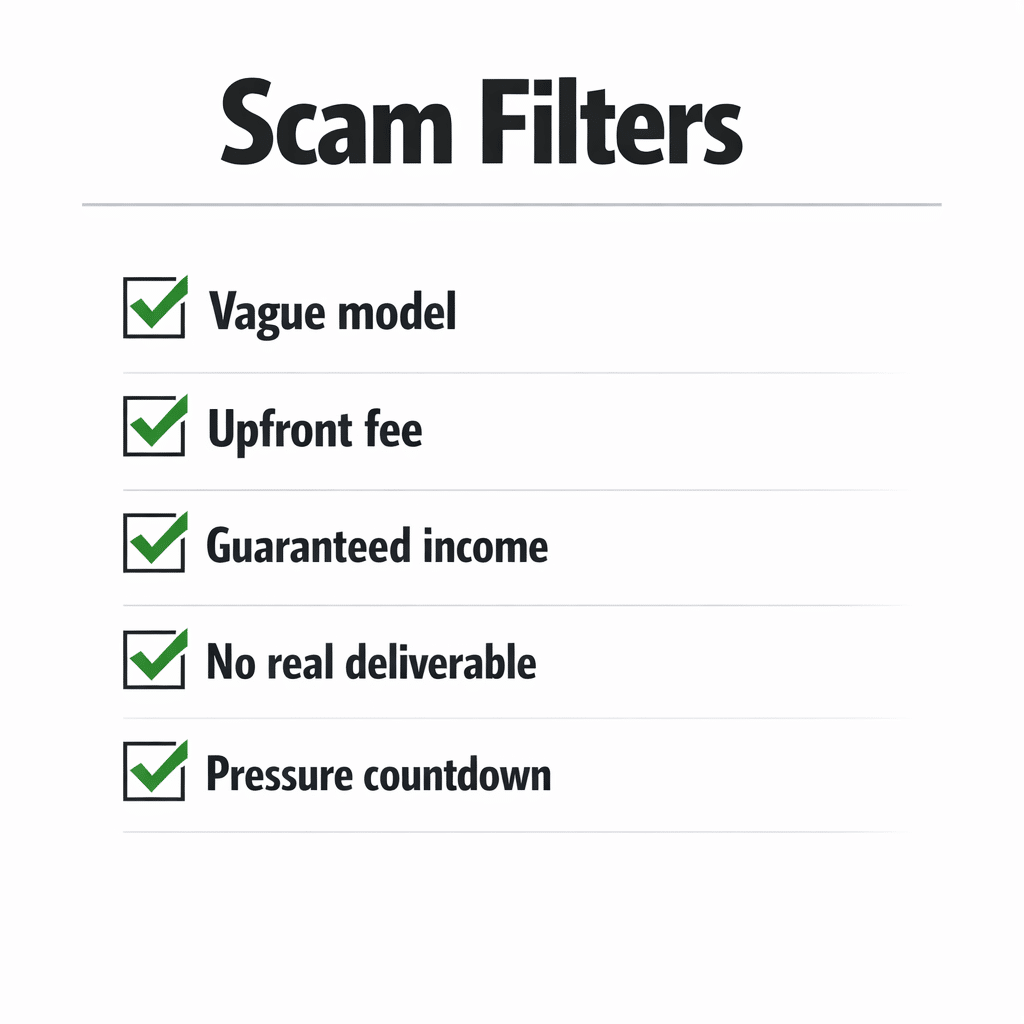
Let’s be blunt: the online money space attracts nonsense. So I use simple filters:
- If it’s “guaranteed,” it’s usually garbage.
- If you must pay to access “jobs,” you’re the product.
- If the model is vague, it’s probably a funnel, not a business.
Also: keep your marketing clean. If you promote products, follow disclosure rules. The FTC literally spells it out in the FTC endorsement and influencer guidance. And if you earn income, track it. In the U.S., the IRS has a practical hub for gig economy tax basics. I’m not your accountant, but I am telling you to act like a grown-up.
Pro Recommendation (ClickBank): when you want to scale
Once you’ve proven you can sell an offer organically, you might want to scale with paid traffic. That’s where a structured training product can help—if you treat it as education, not a lottery ticket. One popular ClickBank option in the e-business space is Commission Hero (a paid-ads affiliate marketing training).
Pro Recommendation: Commission Hero (paid traffic affiliate training)
If you already have basic discipline and a small test budget, this can shorten the trial-and-error curve. If you don’t, start with the free methods first and come back later. Simple.
Check it out here (affiliate link)
Your 7-day launch plan (copy/paste)
Want a plan that doesn’t waste your time? Here it is. No “manifestation,” no 47-step course outline. Just execution. 🙂
- Day 1: Pick one offer (one outcome). Example: “10 captions in 24 hours.”
- Day 2: Create 2 samples (before/after). Put them in a shareable folder.
- Day 3: Write one pitch message. Keep it human. Ask one question.
- Day 4: Send 30 pitches (small businesses, creators, local services). Track replies.
- Day 5: Deliver fast for the first client. Over-communicate. Under-promise.
- Day 6: Ask for a testimonial + referral. Turn that into social proof.
- Day 7: Raise price slightly. Improve one part of your process.
If you want more beginner-friendly online side hustles mapped out with examples, this internal breakdown pairs nicely with the list above: 7 Best Online Side Hustles for Beginners.
One last myth to kill: “I’ll start when I’m ready.” Ready is a feeling. Paid reps are a system. Which one do you think pays better?
FAQ
What are the best online side hustles for no experience that actually pay?
Start with micro-services, user testing, and beginner-friendly freelancing side hustles where you sell a small outcome. These pay because they solve immediate business pain. Passive plays can work later, but they don’t usually pay first.
How long does it take to earn your first $100 online?
With consistent outreach and a clean offer, 7–14 days is realistic for service-based hustles. If you only build content and wait for traffic, your timeline depends on distribution and SEO, which takes longer.
Do I need to register a business or pay taxes?
Requirements depend on your country and income level, but you should track revenue and expenses from day one. If you’re in the U.S., the IRS gig economy guidance is a practical starting point.
What should I avoid as a beginner?
Avoid “pay to access jobs,” guaranteed-income claims, and any offer that can’t explain how money moves from customer to you. Also avoid spending months learning without selling anything. Sell small, learn on the job, then expand.
Is affiliate marketing good for beginners?
Yes, but it’s rarely the fastest path. Affiliate marketing shines when you have traffic and trust. For most beginners, the smarter move is: services for cash flow + affiliate assets for long-term upside.
My Top Recommended Gear
- USB microphone for calls + content (starter-friendly)
- Ring light for better-looking client calls
- Portable external SSD for backups and fast delivery
Disclaimer: This post contains affiliate links. As an Amazon Associate and ClickBank Partner, I may earn a commission from qualifying purchases at no additional cost to you.