
Learn the Best Income Model That Pays in 30 Days Flat
Learn the Best Income Model by picking the model that matches your skills, time, risk tolerance, and how fast you need cash—not whatever’s trending on your feed. If you want results, you need a decision framework, not motivation.
Here’s the practical play: you’ll score each model across four factors (speed, control, margin, and durability), choose your “starter model” for the next 30 days, and set a simple rule: build one income stream that funds the next one. That’s how you go from “trying stuff” to stacking revenue like an adult.
Table of Contents
- The only 4 income models that matter
- The income model scorecard (choose fast)
- Model 1: Sell a service (high cashflow, fast)
- Model 2: Affiliate + content (asset income)
- Model 3: Products (digital + physical) without delusion
- Model 4: Investing + ownership (slow, powerful)
- The 30-day income model plan (do this, not everything)
- Common mistakes that kill income
- FAQ
- Resources / Tools
The only 4 income models that matter
Ignore the shiny labels. Almost every online “method” fits into one of these four buckets:
1) Cashflow models
You trade time, expertise, access, or outcomes for money. Services, freelancing, consulting, done-for-you marketing, coaching (real coaching, not “I read a thread once”). Cashflow is the fuel that funds everything else.
2) Asset models
You build something once, it keeps working. Content + affiliate, email lists, templates, courses, software, communities. It’s slower upfront but scalable. If you want “less time per dollar” later, you build assets now.
3) Product models
You sell a product with repeatable delivery: digital products, info products, physical goods, subscriptions. Great margins possible, but only if you nail positioning and distribution. Otherwise, it’s a warehouse of regrets.
4) Ownership models
Investing, equity, profit sharing, royalties, real estate, funds. This is “money makes money.” Slow at first, unstoppable later—if you don’t gamble it away with fantasy trades.
Now we pick the best income model for you by scoring tradeoffs instead of arguing online.
The income model scorecard (choose fast)
Use this scorecard to stop overthinking. Give each model a score from 1 to 5:
- Speed to first $: How fast can you realistically get paid?
- Control: Do you own the traffic, audience, and distribution—or does a platform own you?
- Margin: After costs, how much do you keep?
- Durability: Will this still work in 12–24 months?
- Skill fit: Does this match what you can do (or learn fast) without hating your life?
Insider tip #1: If you need money fast, start with a cashflow model. Trying to “build passive income” while your bills are screaming is how people end up doing desperate, sketchy stuff. Cashflow buys patience—and patience builds assets.
For basic financial sanity and budgeting fundamentals (so your money doesn’t vanish), the U.S. Consumer Financial Protection Bureau has solid plain-English resources worth skimming: budgeting tools and guides.
Insider tip #2: Your first model should be the one with the shortest path to proof. Proof means: you got a real person to pay you, or you got measurable traction (email signups, leads, sales conversations). Proof beats “potential.”
Want a clean way to think about risk and long-term compounding? A classic starting point is the U.S. SEC’s investor education hub: Investor.gov.
Model 1: Sell a service (high cashflow, fast)
If you want the fastest path to income, services win. Period. You can start with what you already know, package it, and sell outcomes. Then you use those profits to fund assets that scale.
Best service types for beginners (that don’t require a miracle)
- Lead gen setup: landing pages, basic ads setup, tracking, call booking
- Content systems: blog SEO outlines, content briefs, publishing ops, repurposing
- Email monetization: welcome sequences, weekly promo structures, deliverability basics
- Local business “visibility stack”: GBP optimization, citations, review workflows
Common mistake #1: Selling “marketing” as a vague thing. Nobody buys “marketing.” They buy booked calls, qualified leads, lower CAC, higher conversion, more reviews, better rankings. Sell the measurable outcome.
A simple service offer that sells
Start with a tight “starter offer”:
- Who: one niche (example: dentists, roofers, fitness coaches, RV repair shops)
- What: one outcome (example: 10 booked calls/month)
- How: one system (example: landing page + tracking + email follow-up)
- Price: a clear monthly fee + optional performance bonus
If you’re building a content-led business, this is where a page like your beginner roadmap to online income helps convert readers into leads without sounding like a used-car salesman.
Insider tip #3: Offer a “paid audit” instead of free consulting. Free calls attract dabblers. Paid audits attract buyers. Deliver a short action plan, then pitch implementation. Clean funnel, better clients.
For a practical lens on improving conversion rates and user experience, Nielsen Norman Group publishes research-backed guidance: NN/g usability articles.

Model 2: Affiliate + content (asset income)
This is the “build once, earn many times” model—when you do it like a business. You create content that matches buyer intent, recommend relevant tools/products, and earn commissions. It’s not instant, but it compounds.
How affiliate content actually makes money
Three pages drive most revenue:
- Comparisons: X vs Y vs Z
- Best-of lists: best tools for a specific use case
- Problem-solvers: “how to fix/do” content that naturally leads to products
Common mistake #2: Writing “informational” content only. Traffic feels nice. Income comes from commercial intent. You need a blend: build trust with helpful content, then convert with reviews/comparisons.
The asset-stacking play (simple, lethal)
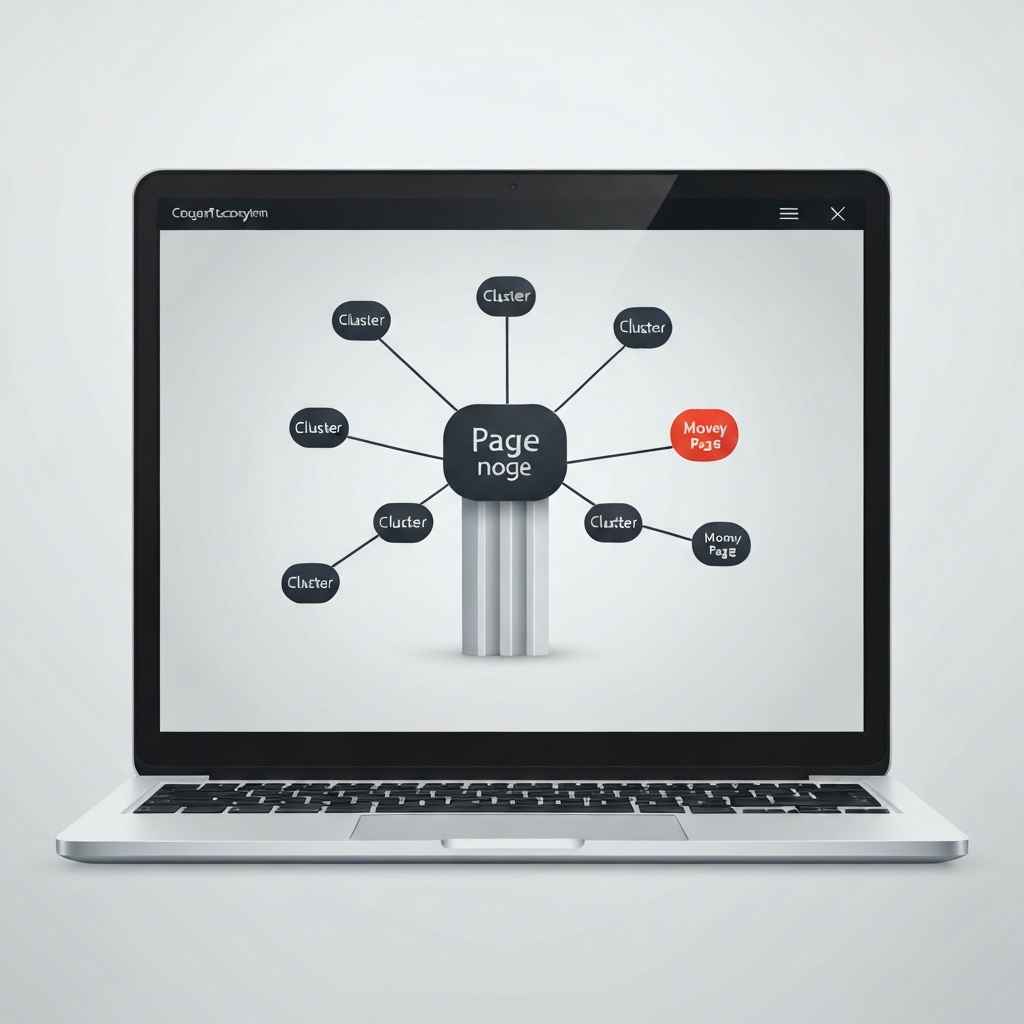
Pick one niche problem, then publish in this order:
- Pillar: the big guide (your core concept)
- Cluster: 8–12 posts answering specific questions
- Money pages: 3–5 comparison/review posts
If you’re building this system, you’ll want a dedicated hub like my tools and reviews library to centralize conversions and make internal linking painless.
For SEO fundamentals straight from the source, Google’s documentation is still the cleanest “don’t overcomplicate it” reference: SEO Starter Guide.
Model 3: Products (digital + physical) without delusion
Products can scale faster than services, but only if you have distribution. If you don’t have traffic, an audience, or partners, your “amazing product” becomes an expensive hobby.
Digital products: the sweet spot
Best starter digital products are small, specific, and tied to a painful problem:
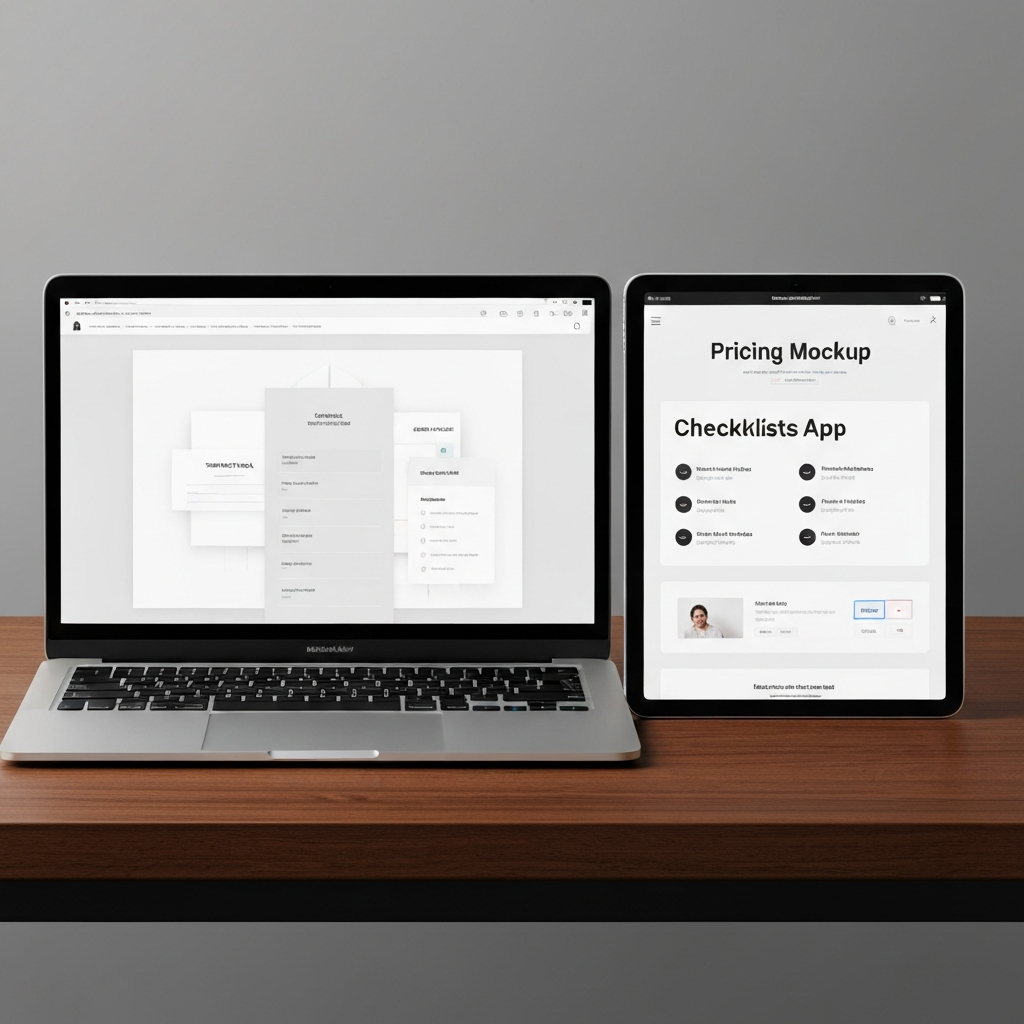
- Templates (email sequences, content briefs, SOPs)
- Swipe files (real examples with context)
- Mini-courses (1–2 hours) focused on one outcome
- Toolkits (checklists + calculators + scripts)
Common mistake #3: Building a huge course before you’ve sold anything. Sell v1 to 10–25 people first. Improve with feedback. Then scale. Otherwise you’re polishing a product nobody asked for.
Physical products: when they make sense
Physical products work when you have:
- Strong demand + clear differentiation
- Healthy margins after shipping/returns
- A proven acquisition channel (ads, SEO, influencers)
For market research that doesn’t rely on vibes, Google Trends helps validate demand directionally: Google Trends.
Model 4: Investing + ownership (slow, powerful)
This is the endgame model, but it works best when funded by cashflow and assets. Investing on a tiny base doesn’t change your life. Investing consistently, with discipline, over time? Different story.
What to actually do with investing (practical version)
- Build an emergency fund first (sleep matters).
- Automate contributions.
- Avoid “get rich quick” trades dressed up as education.
- Focus on diversified long-term vehicles unless you’re truly experienced.
For foundational concepts (risk, diversification, fees), Vanguard’s investor education content is straightforward: Vanguard investor education.

The 30-day income model plan (do this, not everything)
If you want the fastest path to “real income,” run this 30-day plan. It’s boring in the best way.
Days 1–7: Choose and package
- Pick one starter model (service or affiliate, usually).
- Write a one-page offer: who, outcome, process, timeline, price.
- Create one proof mechanism: a case study, demo, teardown, or sample deliverable.
Days 8–20: Get in front of people
- Service path: message 20 targeted prospects/day with a specific outcome hook.
- Affiliate path: publish 6 posts (2 informational, 2 problem-solvers, 2 commercial).
- Track everything: replies, calls booked, email signups, clicks.
Days 21–30: Close and systemize
- Close 1–3 clients OR get your first commissions/leads.
- Document your workflow into a checklist.
- Raise your standards: remove tasks that don’t move revenue.
Once you’ve got proof, you can turn the system into a repeatable playbook—this is where a step-by-step affiliate system page can do heavy lifting for conversions.

Common mistakes that kill income
Chasing new models every week
Consistency beats novelty. You don’t need a new model—you need reps. Pick one, run it long enough to get signal, then iterate.
Building without distribution
Traffic, audience, partnerships, outreach—some distribution channel must exist. The best product in the world still dies in a quiet corner of the internet.
Not tracking inputs and outputs
If you don’t track, you can’t improve. Track: outreach attempts, responses, calls, close rate, content published, clicks, opt-ins, conversions.
Underpricing forever
Low prices can help you start, but staying cheap attracts high-maintenance clients and limits reinvestment. Increase pricing when you can point to results and a repeatable system.
FAQ
What’s the fastest income model for beginners?
Services. They create cashflow fast because you sell a clear outcome to a specific buyer. Affiliate/content can pay well, but it usually takes longer to ramp.
What’s the safest long-term income model?
Asset models + ownership. Build content, email lists, products, and then invest profits. The combo is resilient because it doesn’t rely on one platform.
Can I start with affiliate marketing with zero budget?
Yes, but “zero budget” means you pay with time and consistency. You still need hosting, basic tools, and patience. Focus on high-intent content first.
How do I know if a model fits me?
Score it on speed, control, margin, durability, and skill fit. The best model is the one you can execute daily without burning out or getting bored.
Should I do multiple income models at once?
Not at the start. One model for 30 days. Then add a second model only when the first produces proof (sales, leads, commissions).
Do I need a big audience to make money online?
No. You need the right audience and the right intent. A small audience with a real problem beats a big audience that just wants entertainment.
What’s the best model if I’m good at writing?
Affiliate/content and productized writing services both work. Start with services for cashflow, then turn your content into assets that compound.
What’s the best model if I’m good at sales?
Services, high-ticket consulting, or agency-style offers. You can generate revenue quickly if you can prospect, qualify, and close.
How long does it take to earn meaningful income?
Services can pay in weeks if you have a clear offer and outreach discipline. Affiliate/content often takes a few months to build momentum, then can snowball.
What should I avoid when choosing an income model?
Avoid models that rely on hype, secret hacks, or “one weird trick.” Also avoid anything where you can’t explain the customer value in one sentence.
Resources / Tools
These are practical Amazon finds that support building and operating your income model (content, services, tracking, and execution). Use the search links to compare options and pricing.
- Blue light blocking glasses Cuts eye strain during long screen sessions when you’re publishing, editing, and tracking. Best for: content creators and anyone working late hours. Search on Amazon
- USB condenser microphone Improves audio quality for YouTube, webinars, client calls, and voiceovers—easy upgrade, big trust boost. Best for: creators, consultants, coaches. Search on Amazon
- Ring light with tripod Makes your videos and calls look clean and professional without fancy gear. Best for: short-form video, product demos, client Zoom calls. Search on Amazon
- Webcam (1080p or better) Sharper video builds credibility, especially for services and sales calls. Best for: agency owners, freelancers, remote sellers. Search on Amazon
- Standing desk converter Helps you stay productive during long build phases (publishing sprints, outreach weeks). Best for: anyone doing deep work daily. Search on Amazon
- Ergonomic office chair cushion A cheap comfort upgrade that keeps you consistent (consistency is the whole game). Best for: creators and remote workers. Search on Amazon
- Notebook + sticky notes pack Old-school planning still beats apps when you’re mapping offers, funnels, and content clusters. Best for: planning sprints, offer creation, daily execution. Search on Amazon
- Whiteboard (wall-mounted or desktop) Perfect for a visible pipeline: outreach targets, content queue, and KPI tracking. Best for: service providers and execution-focused builders. Search on Amazon
- External SSD (portable) Keeps backups of content, client files, templates, and media assets—clean insurance policy. Best for: creators, editors, freelancers. Search on Amazon
- Noise-canceling headphones Protects your focus during writing, editing, outreach, and calls—especially in busy environments. Best for: deep work sessions and travel work setups. Search on Amazon
As an Amazon Associate I earn from qualifying purchases.